Upcoming
-
08.19 Designers, Design Students, and Mental Health
How can I manage without social interaction during the pandemic? Why am I doing emotional labor explaining why something is racist to my co-workers? How do I handle the pressure to fit in with my peers? Do Asian and Asian American students face unique mental health challenges? Questions about mental health emerged as a common theme in (Remote) Studio this summer. To help us explore them, psychologist Niketa Kumar will join us to speak about common myths about mental health and therapy — with the idea that many people hold stigma about what it means to get help.
Niketa Kumar, PhD is a licensed clinical psychologist who specializes in working with underrepresented populations, particularly those in San Francisco's tech culture. This includes people of color, women, LGBTQ folk, first- and second-generation immigrants, and first-generation college students. As a first-generation immigrant who was born in India and raised in North Carolina, Niketa finds that her personal experience of having to negotiate two vastly different cultural identities has been helpful in her work with patients who struggle with navigating identity concerns.
Past
-
08.12 Graphic Design to Service Design
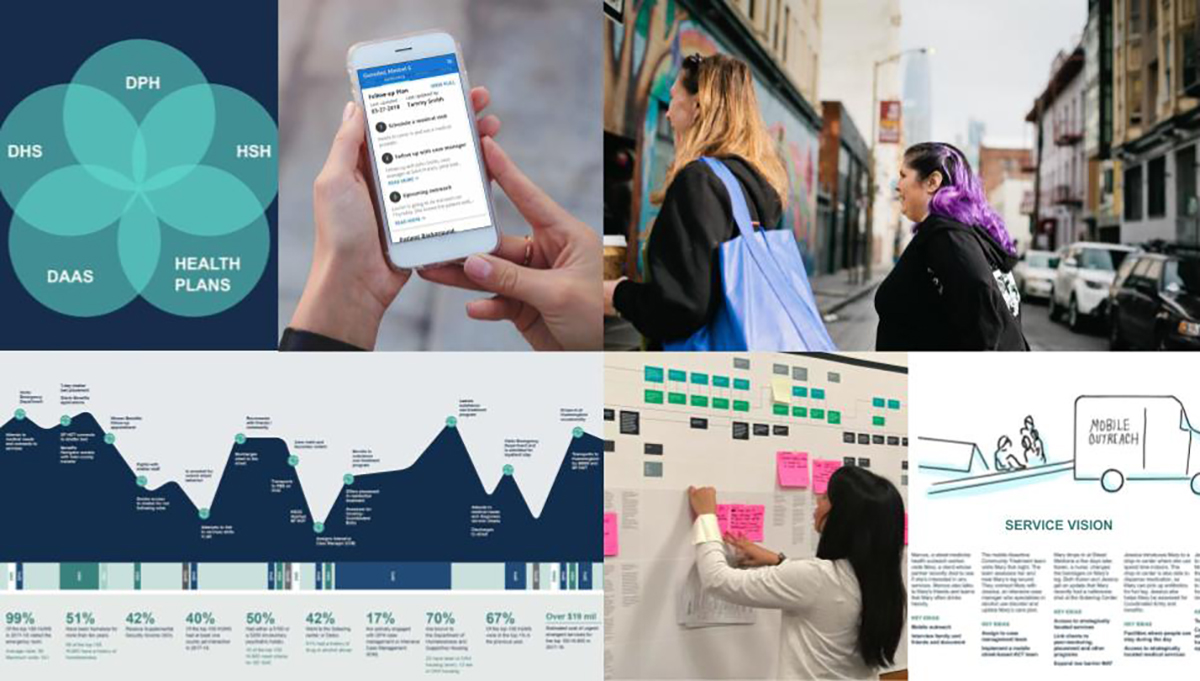
Iran Narges and Amber Reed will share pivotal moments in the evolution of their careers from graphic designers to service designers working for the City and County of San Francisco. They will discuss the opportunities and challenges of taking a design approach to tackling technology infrastructure, change management, and systems issues from within the government and the role of service design during the COVID pandemic.
-
08.05 Collage Workshop with Bob Aufuldish
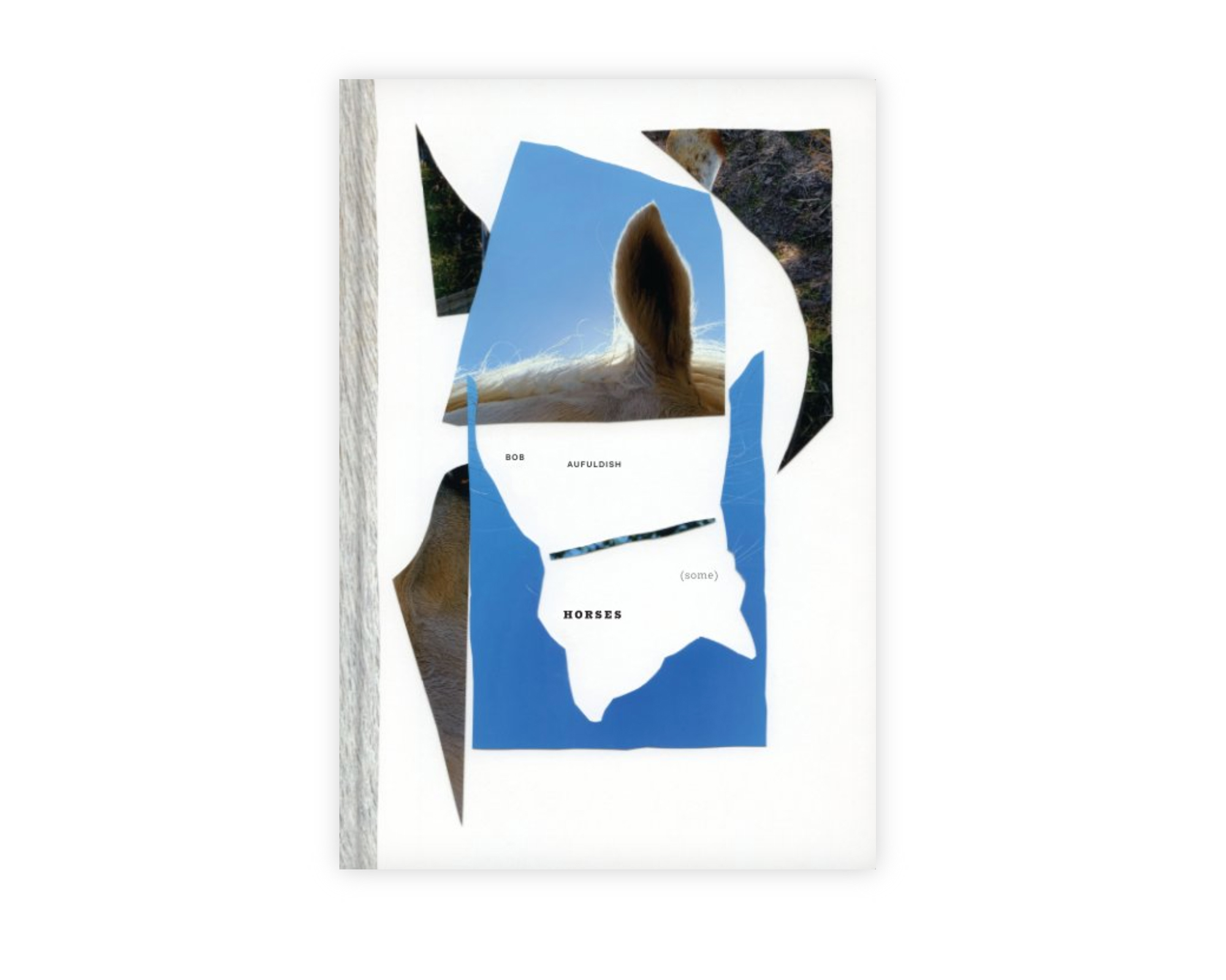
Join us in the (Remote) Studio for a hands-on workshop with GD faculty member Bob Aufuldish. Bob will share a selection of his projects and process, then we’ll each dive into the following prompt: make a collage based on a book (or article) you've read this summer. Make your collage have a metaphorical or poetic connection to what you've read rather than being literal. We aren't intending to make a book cover but you could apply the collage to a cover later if you like.
As a partner with Aufuldish & Warinner, Bob Aufuldish has designed projects for the Center for Creative Photography, Denver Art Museum, Aperture Foundation, the San Francisco Museum of Modern Art, the Fine Arts Museums of San Francisco, SWA Group, the Nature Conservancy, Pier 24, SF Camerawork and Honolulu Museum of Art among others. He launched a digital type foundry, fontBoy.com, in 1995 as an outlet for his typefaces.
-
07.29 With a Cast of Colored Stars
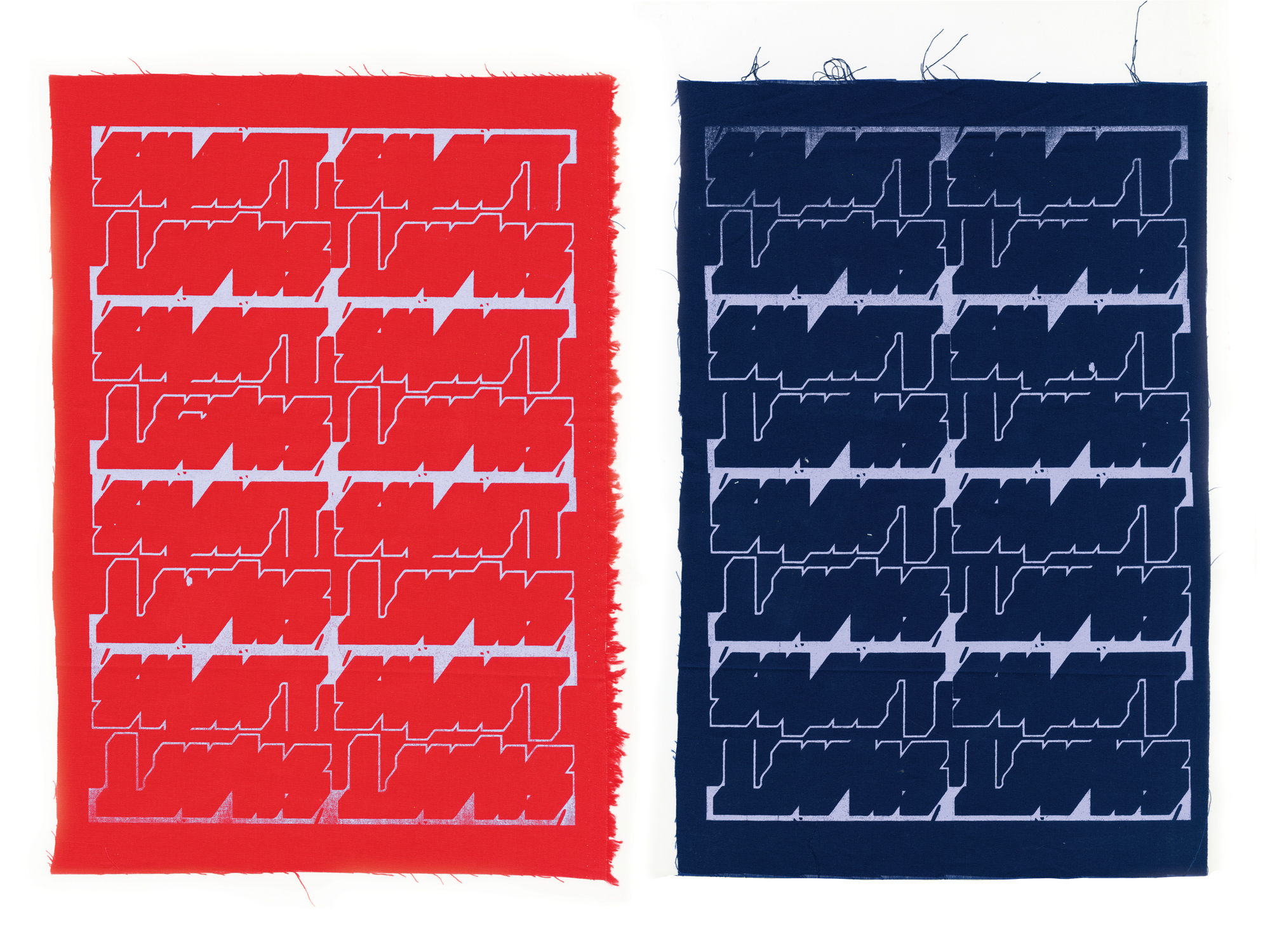
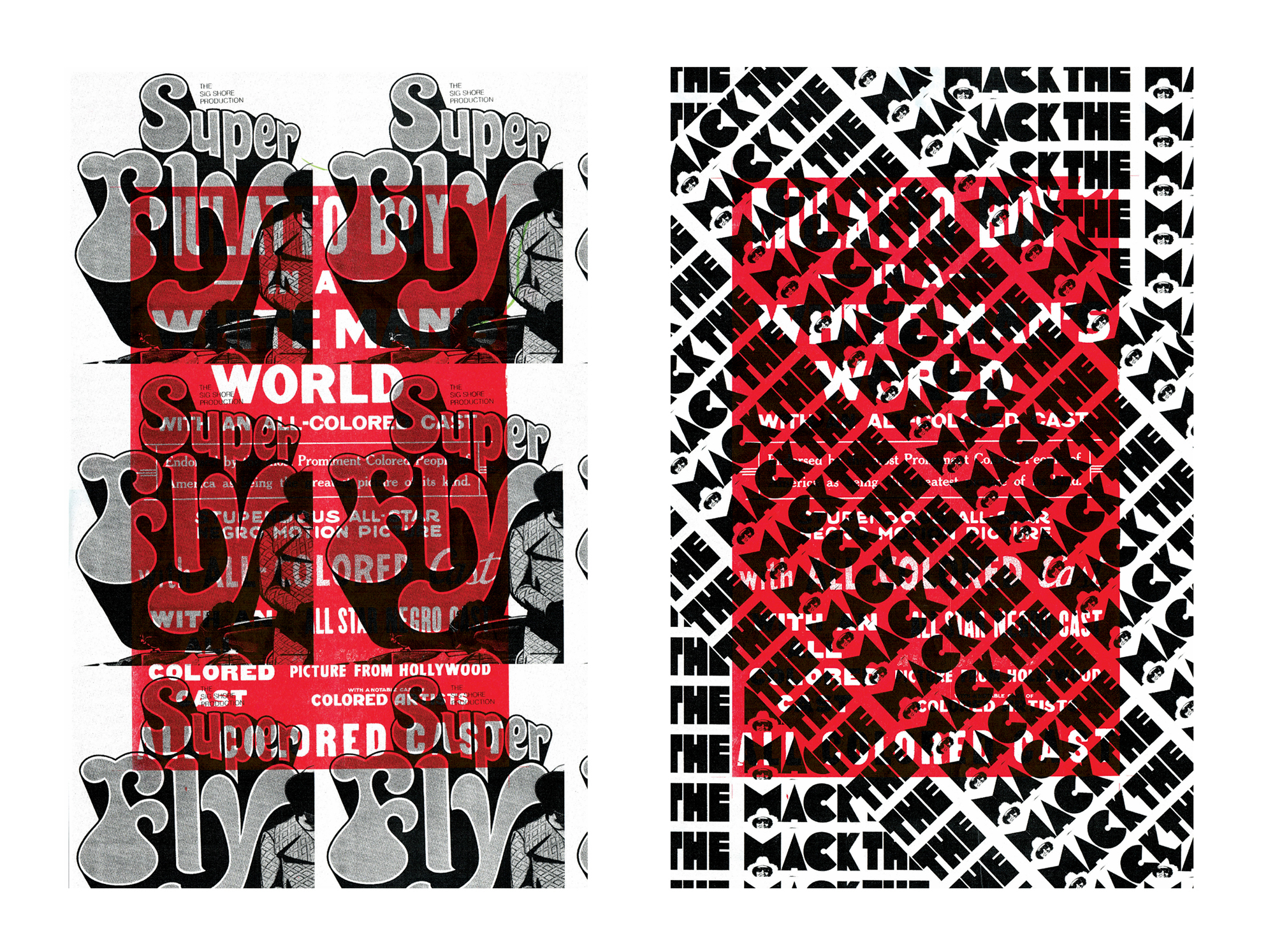
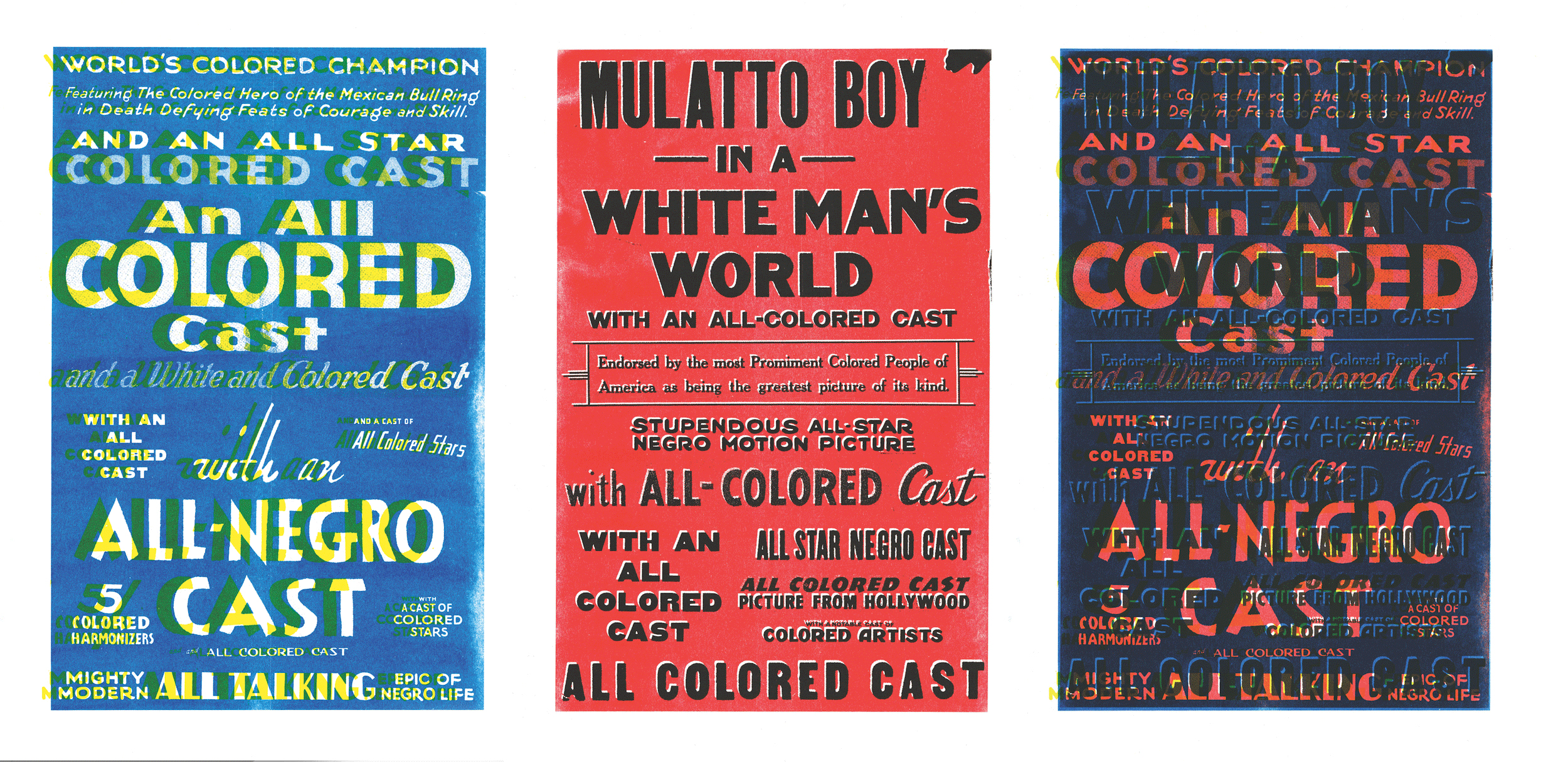
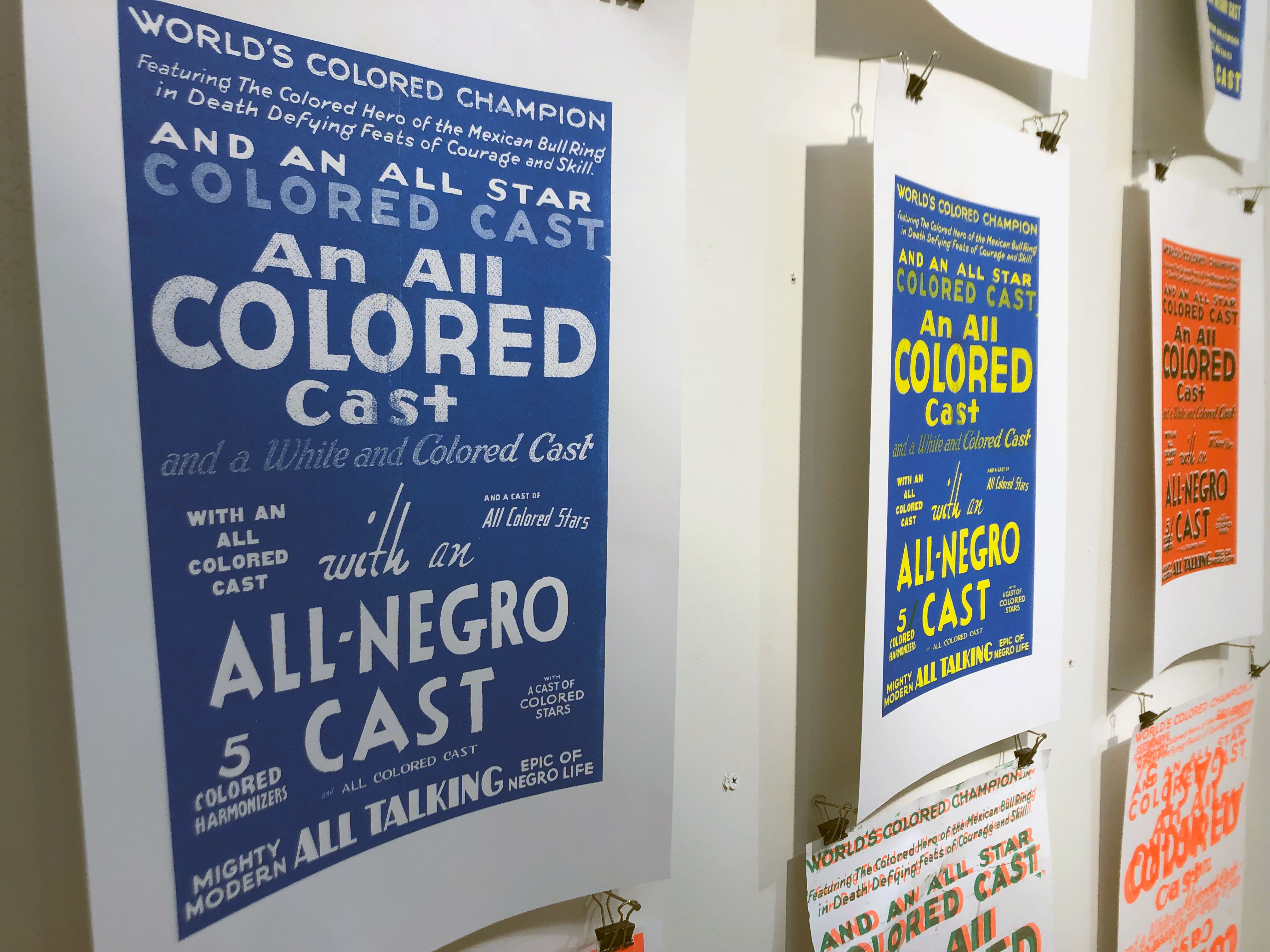
In design, visual expression is informed by an understanding of history, language, symbols, patterns and image aesthetics. It is imperative that designers have a strong foundation in these areas in order to support the creation of culturally conscious work. Despite this awareness, there remain gaps in design history that neglect showing a broad spectrum of visual languages from the past and excludes discussions on how design has been complicit in forming and reinforcing racism. Through historical archival research and the act of experimental printmaking, my research aims to highlight the linguistic phrases used in promotional Black film posters during the Jim Crow through Blaxploitation eras. By extracting typographic elements such as “an all colored cast” or “with a cast of colored stars,” I am able to closely examine examples of segregation while also re-contextualizing them for new alternative platforms. In looking closely at typographic details, language, and gestures – identifiable patterns emerge pointing to shifts in communication styles and cultural representation in this area of poster design.
Kelly Walters is an Assistant Professor of Communication Design and Associate Director of the BFA Communication Design Program at Parsons School of Design. She is founder of Bright Polka Dot, an interdisciplinary design practice, which focuses on print, digital, exhibition, and textile design. Her research investigates how socio-political frameworks and shifting technology influence the sounds, symbols and styles of black cultural vernacular in mainstream media. Her forthcoming book, Black, Brown + Latinx Design Educators, will be published by Princeton Architectural Press in early 2021.

-
07.22 BIPOC Alumni Panel
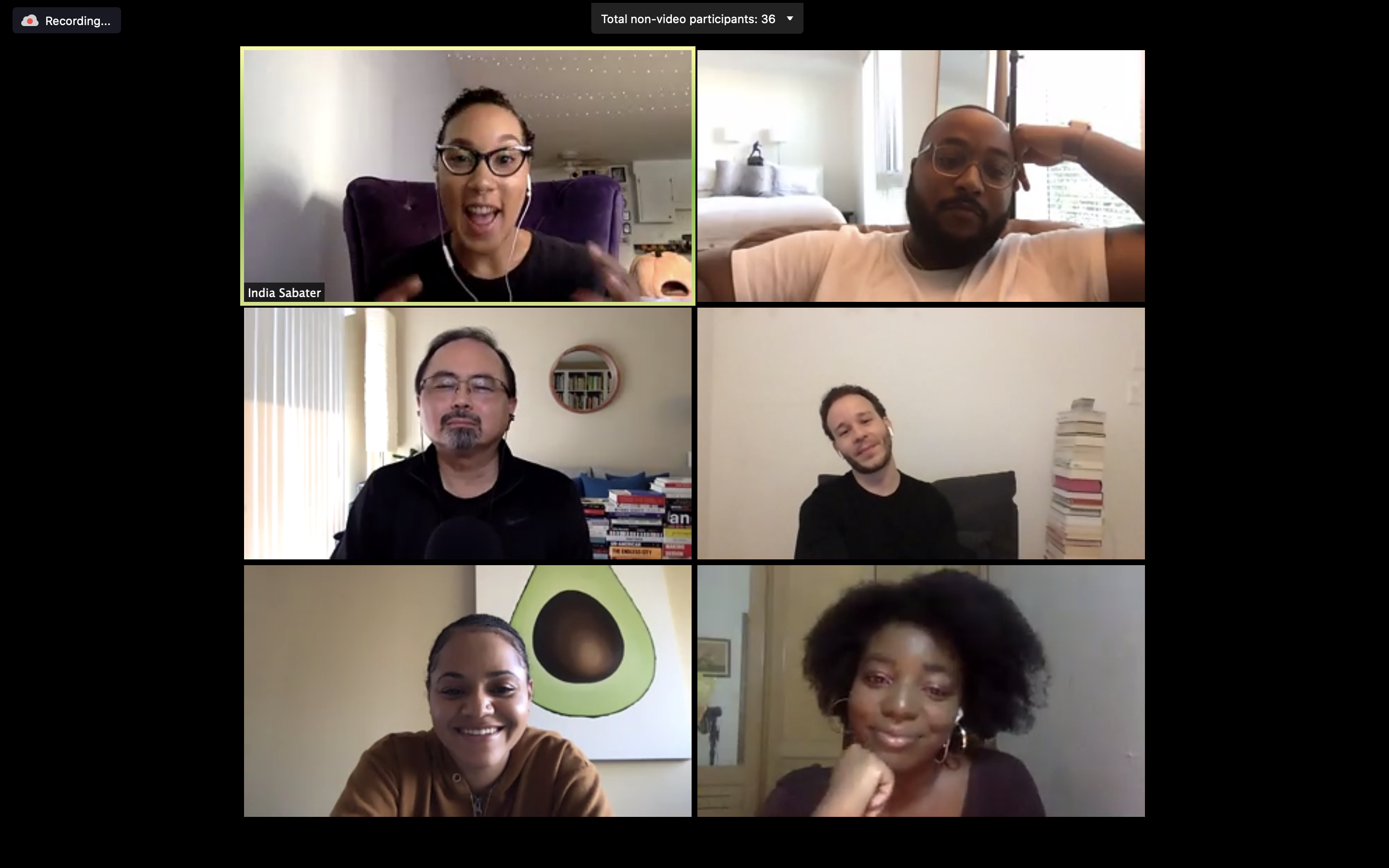
A conversation with BIPOC Graphic Design Alumni on their experiences at CCA and careers since graduating.
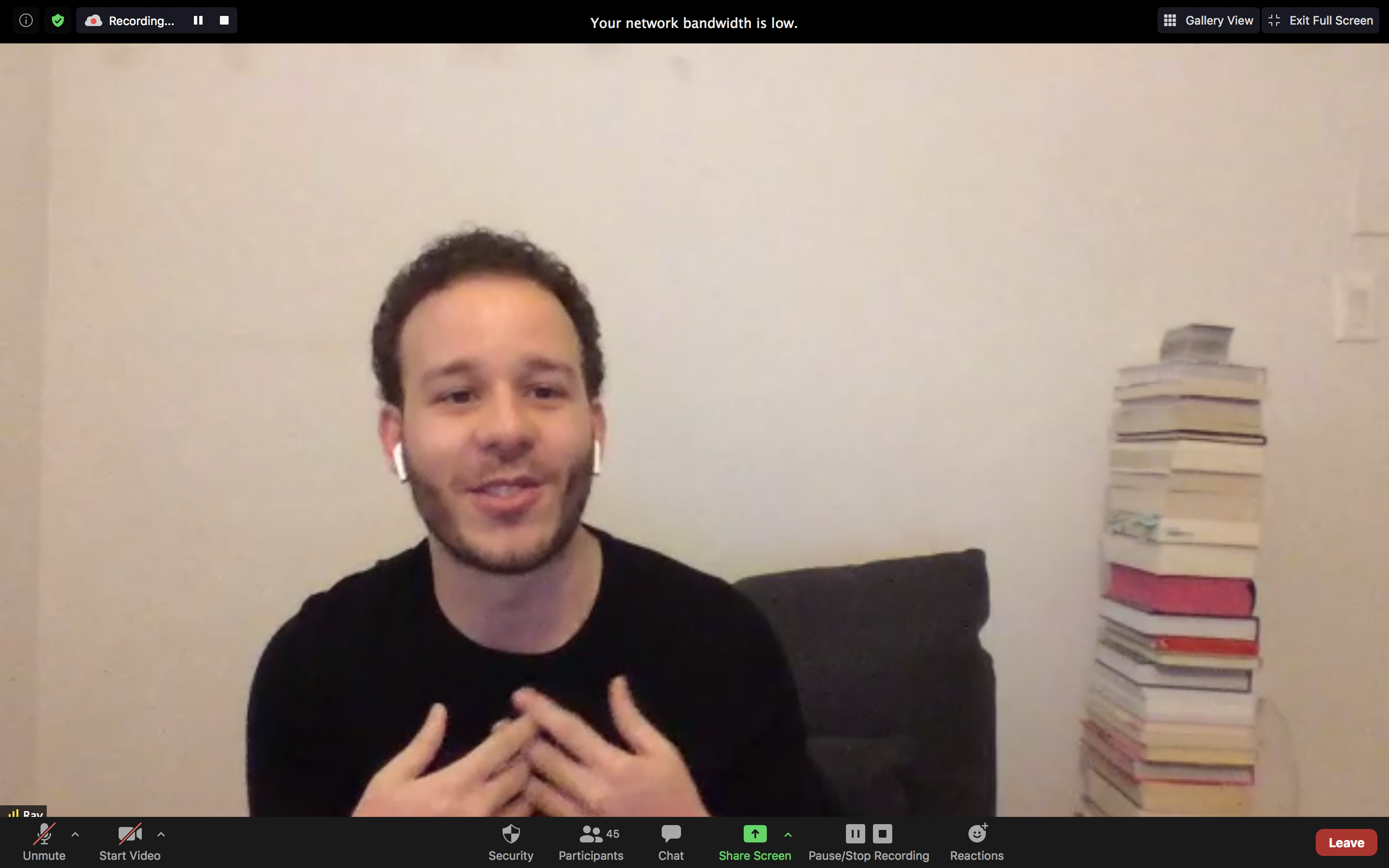
Panelists: Allati EL Henson, Deborah Sedem Nyamuame, India Sabater, Kelley Stuckey, Jr., and Rayniel Estrella
Facilitated by David Asari
Allati EL Henson Deborah Sedem Nyamuame India Sabater Kelley Stuckey, Jr. Rayniel Estrella David Asari
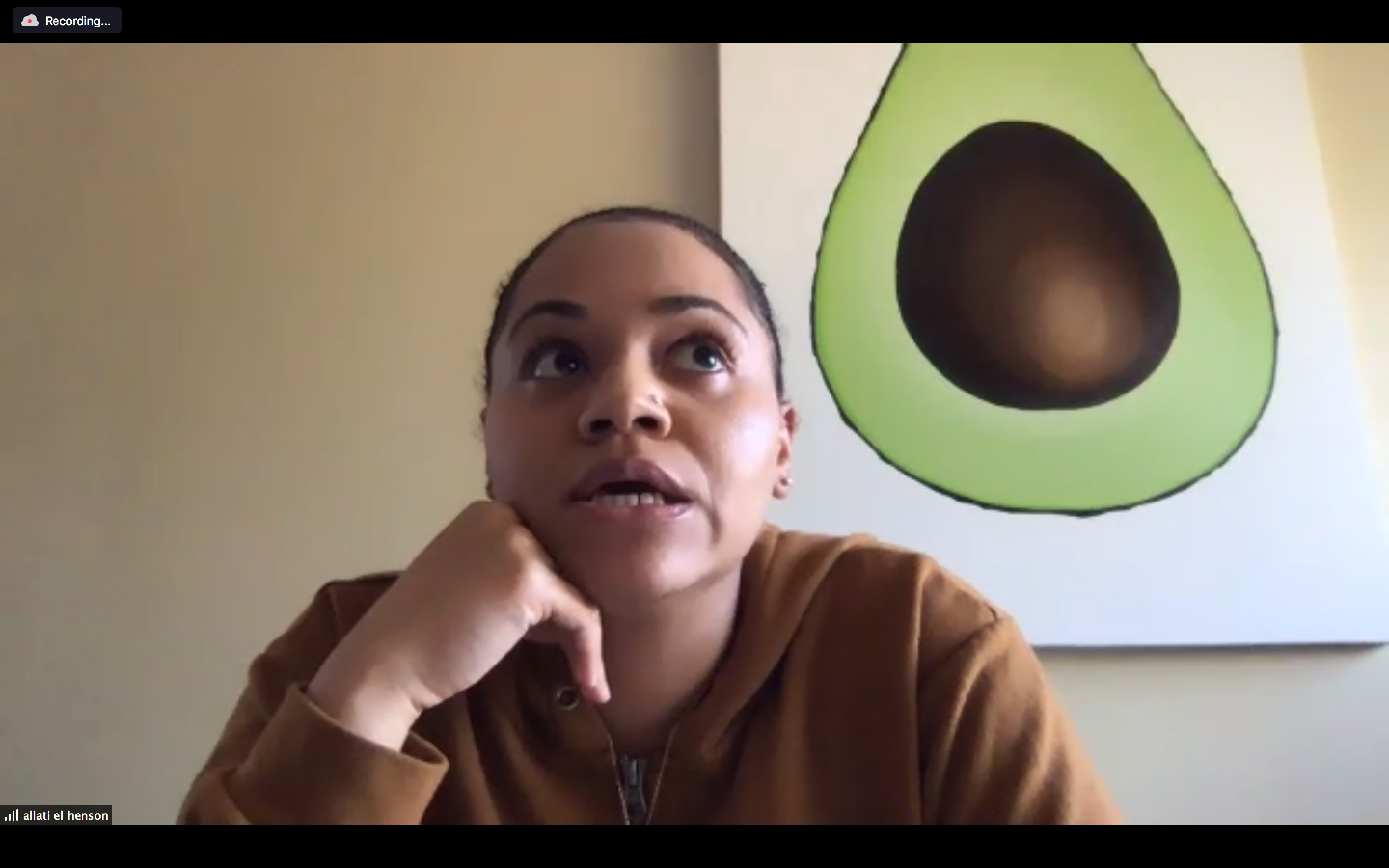
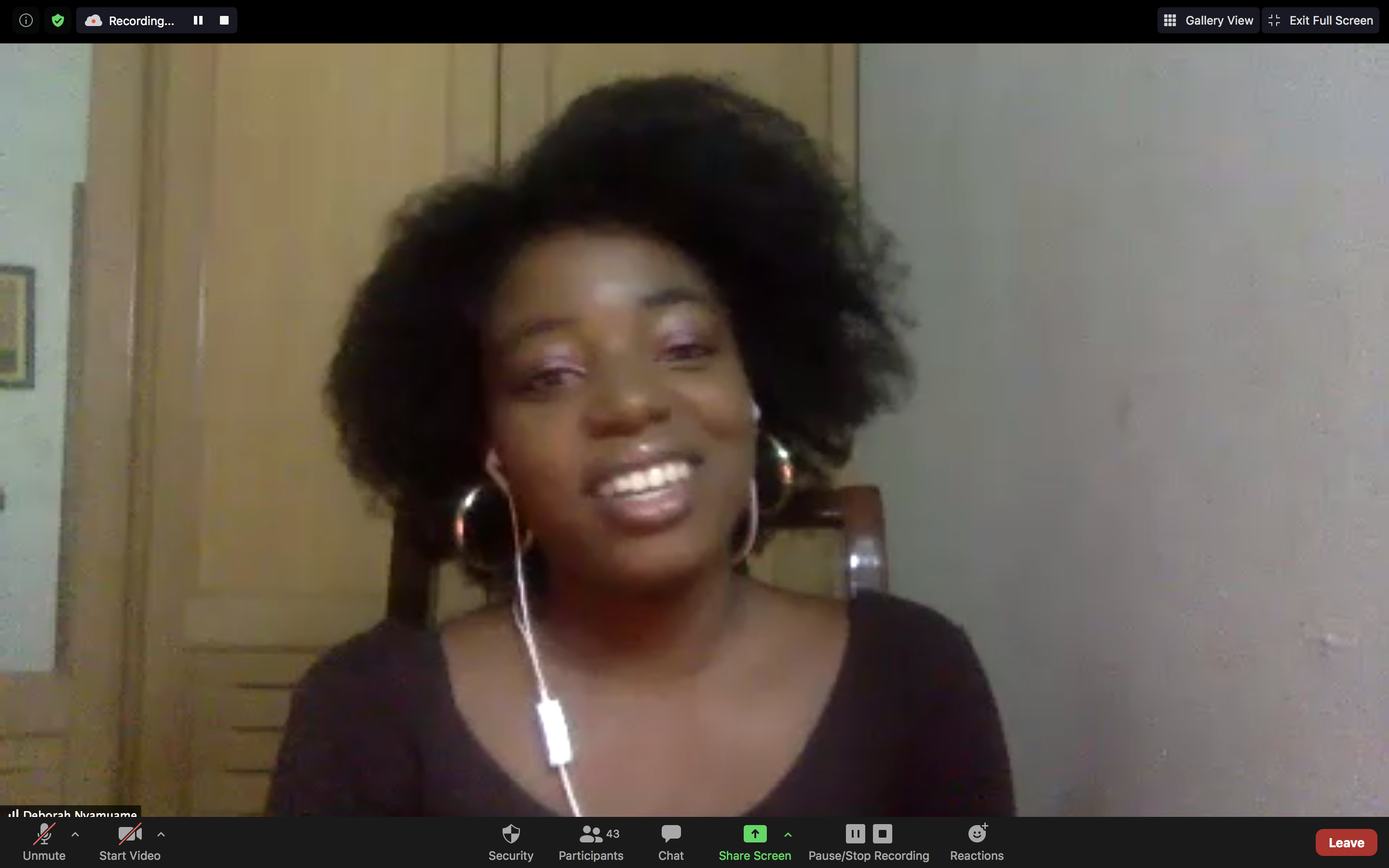
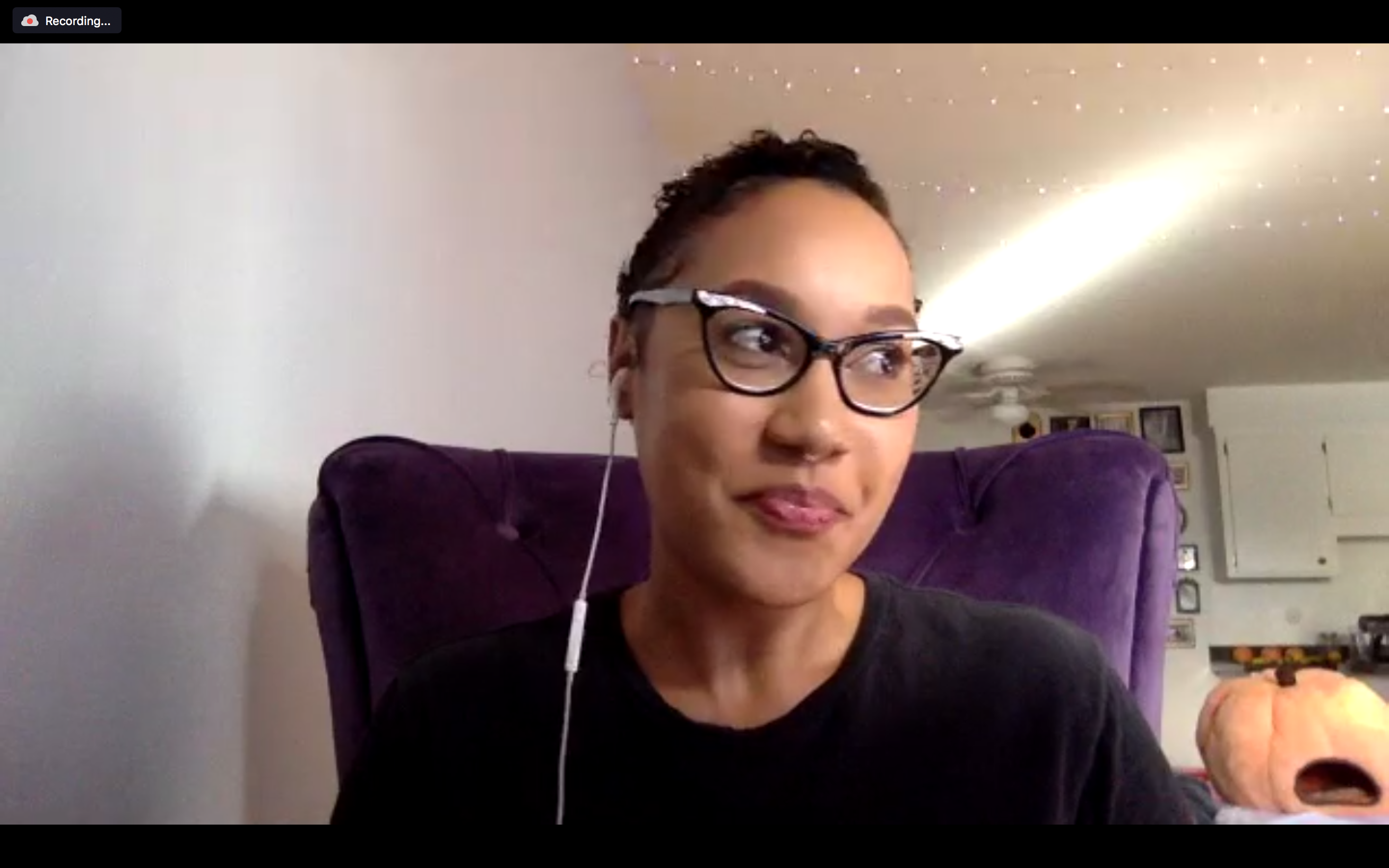
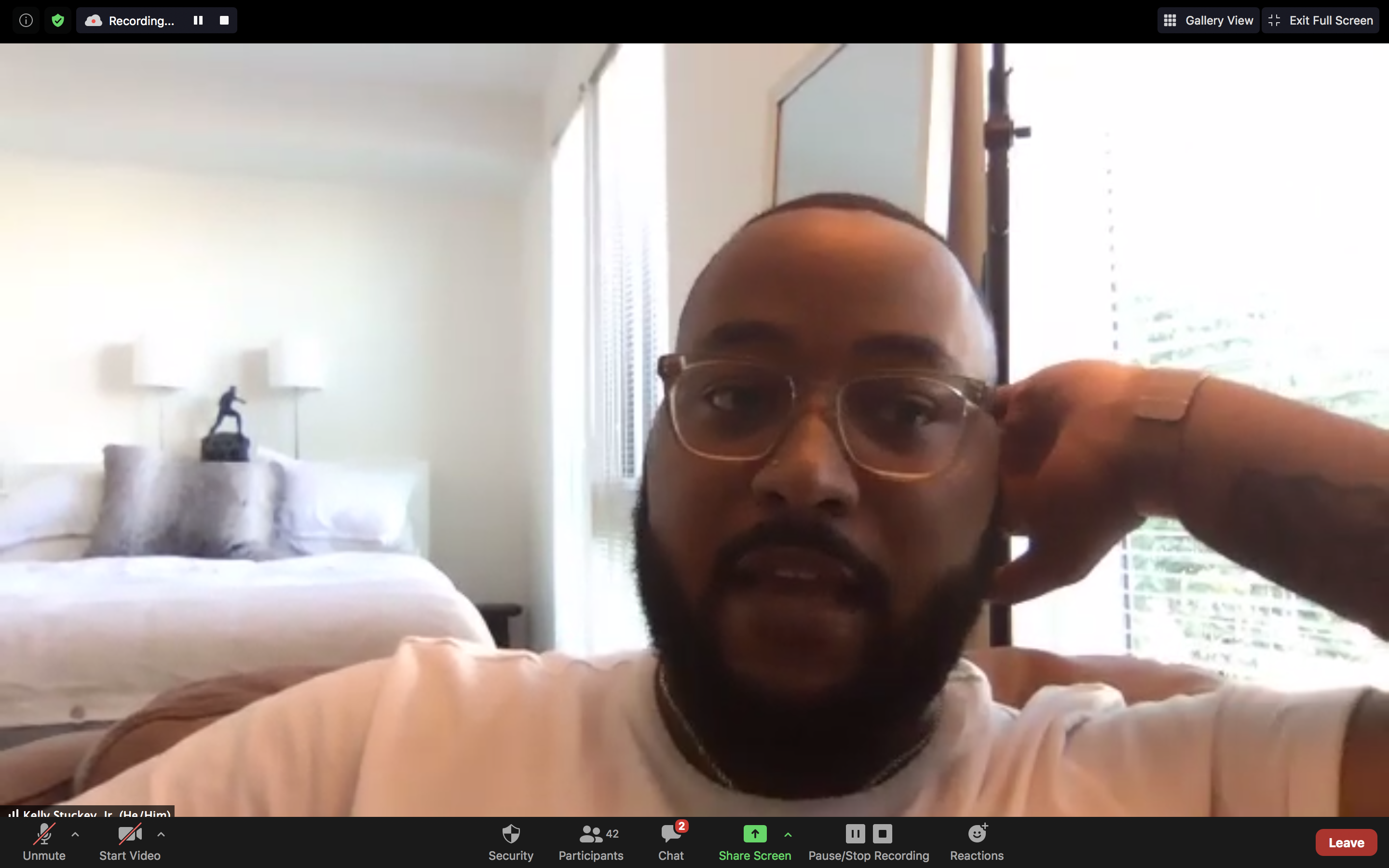

-
07.15 Studio Tour with Datz Press
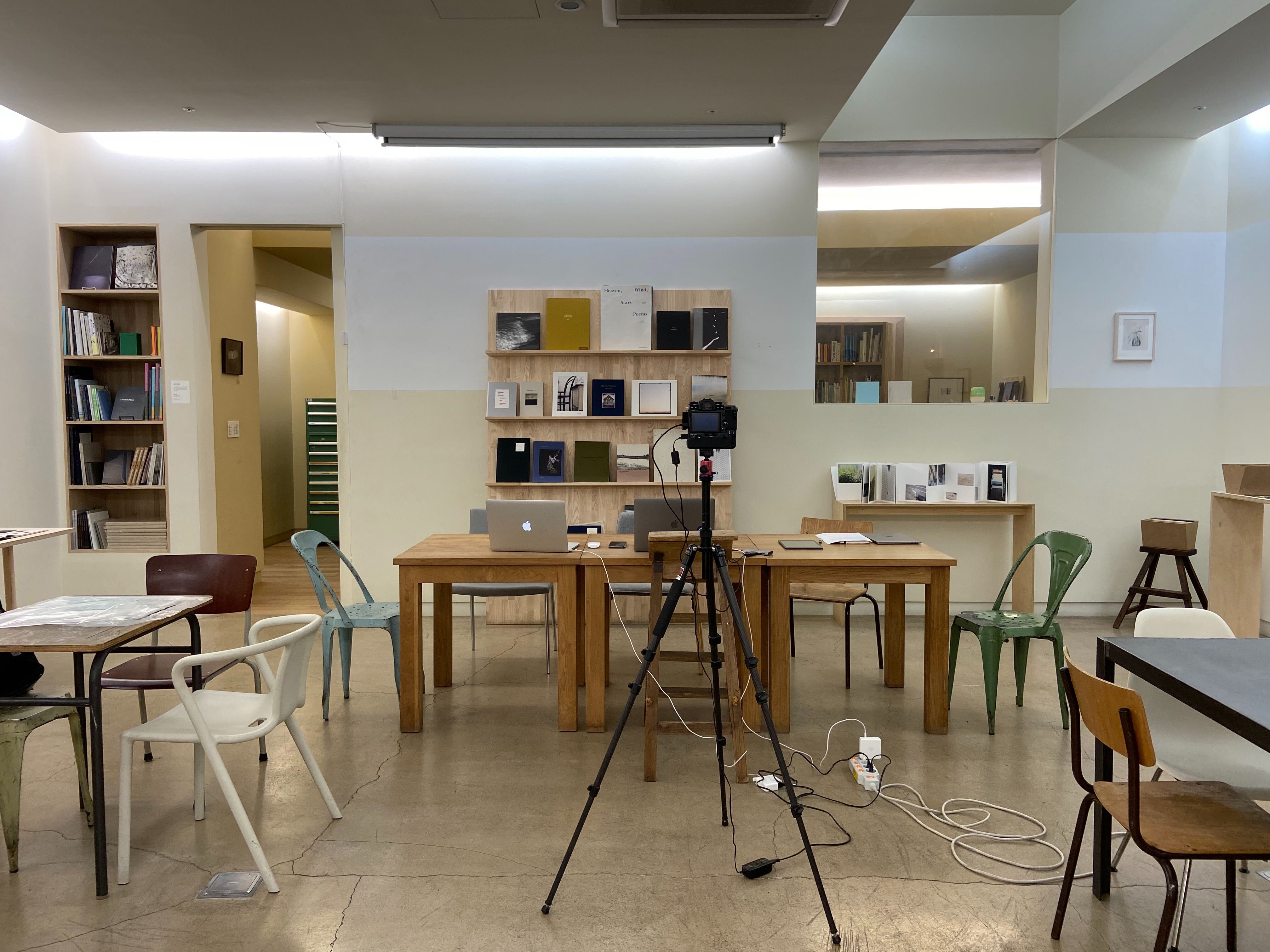
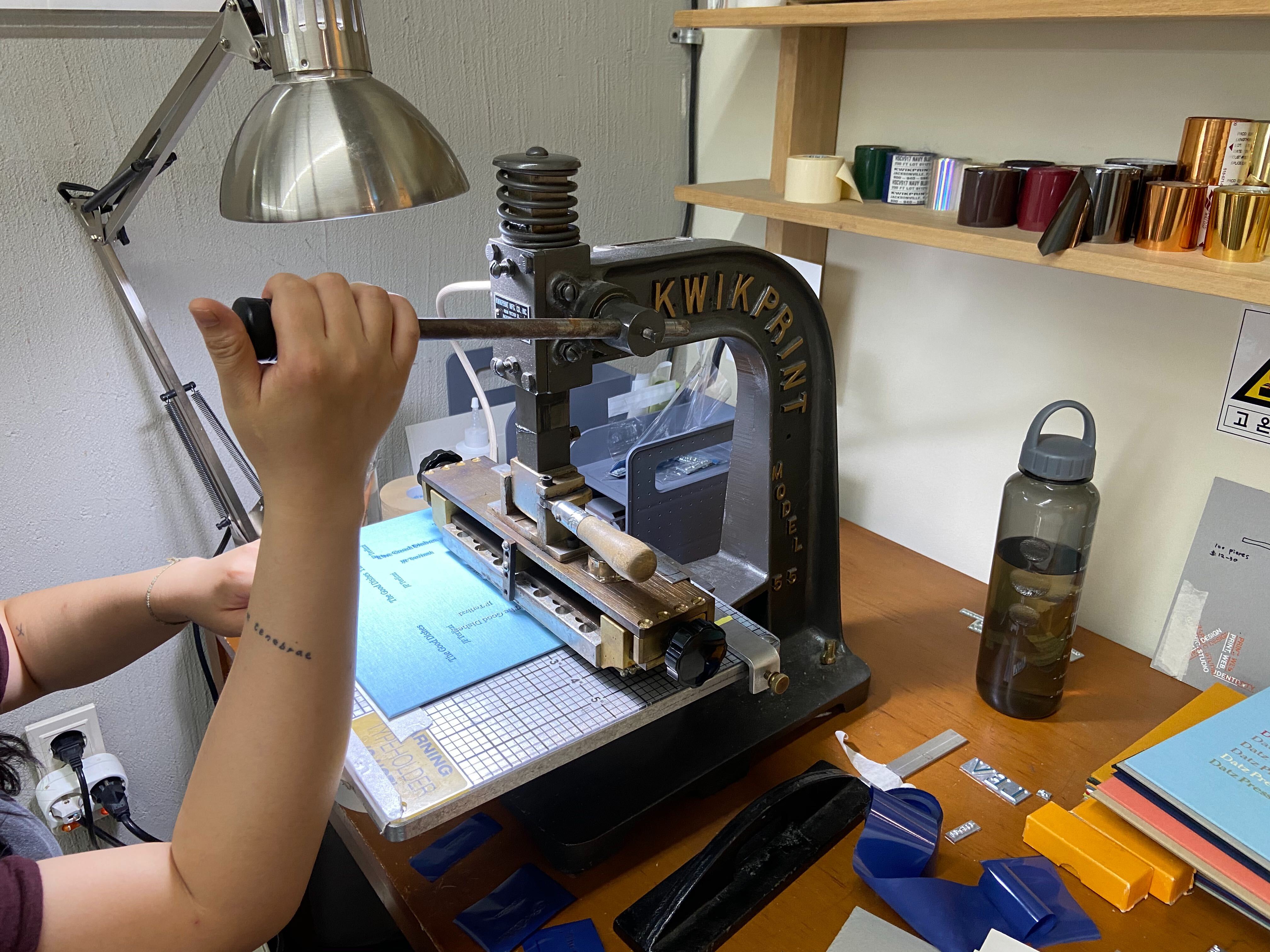
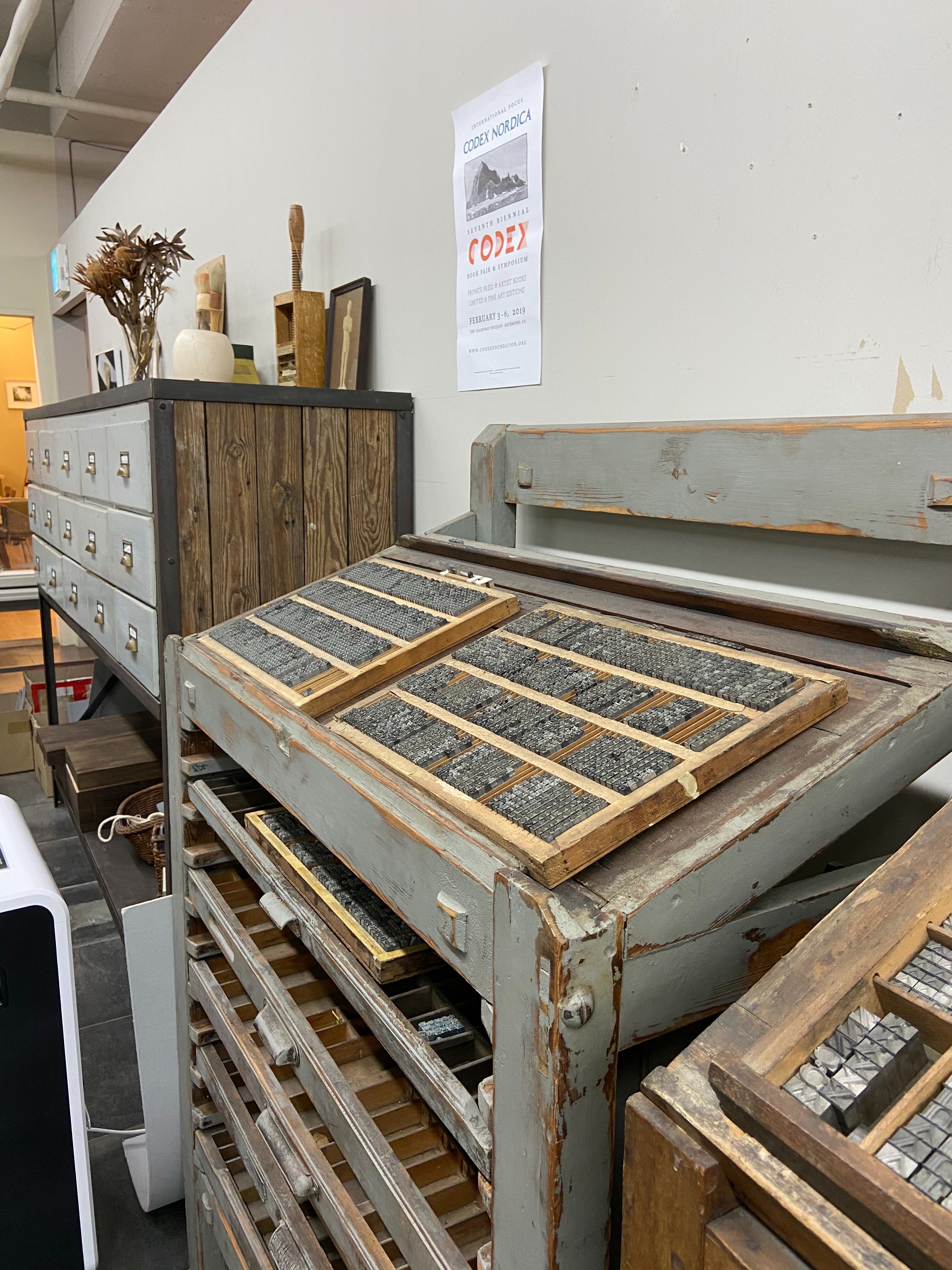
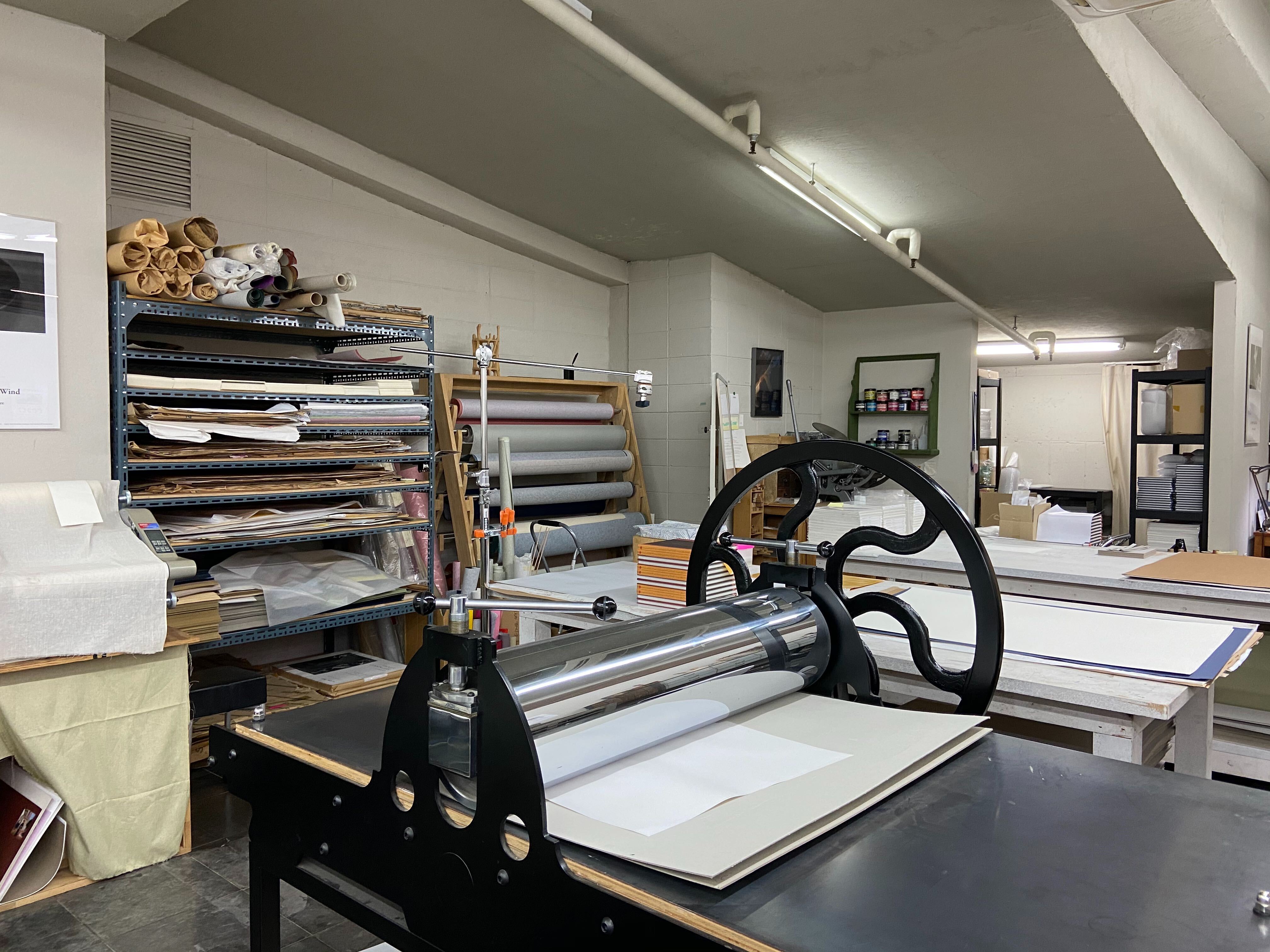
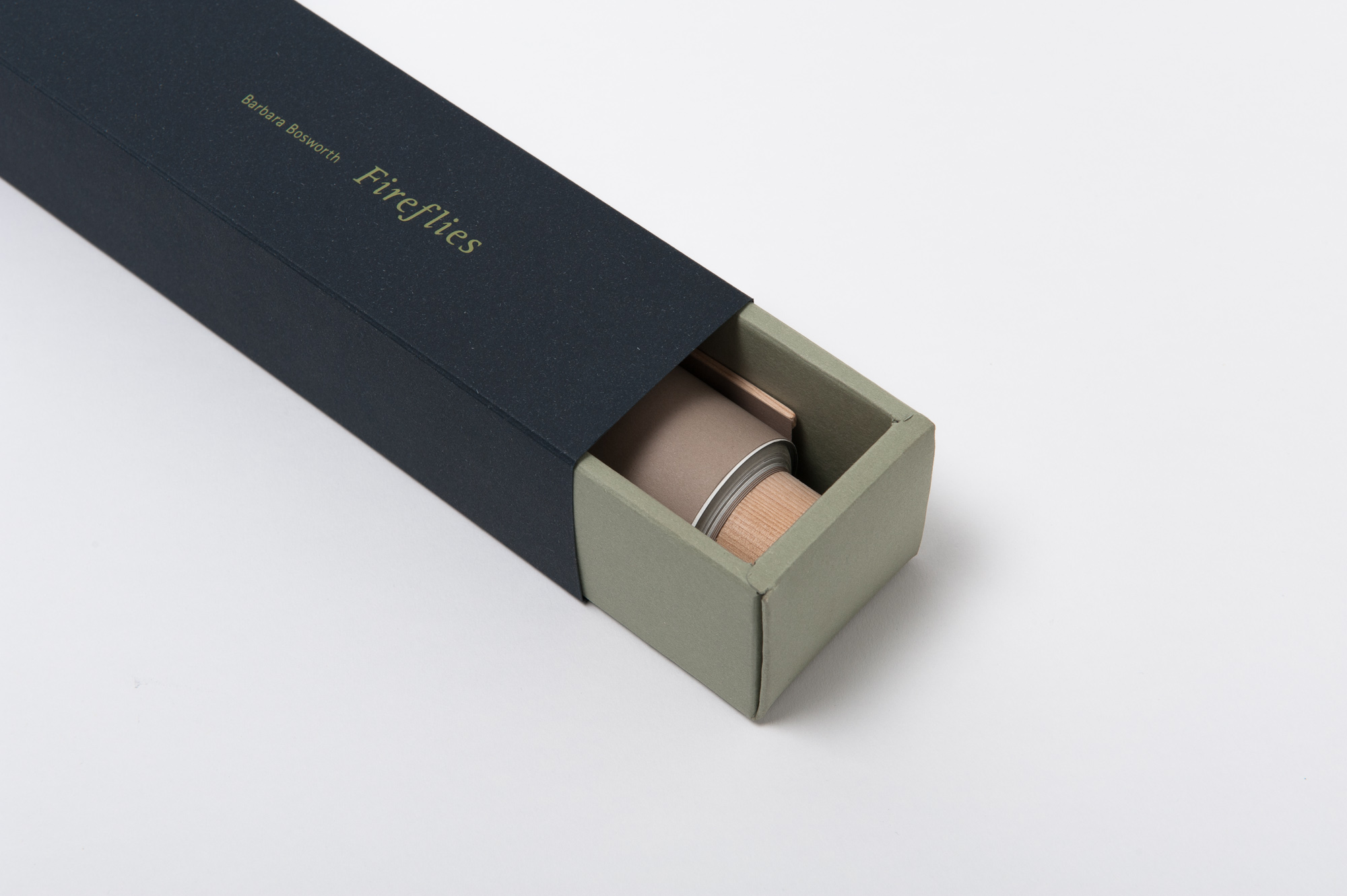
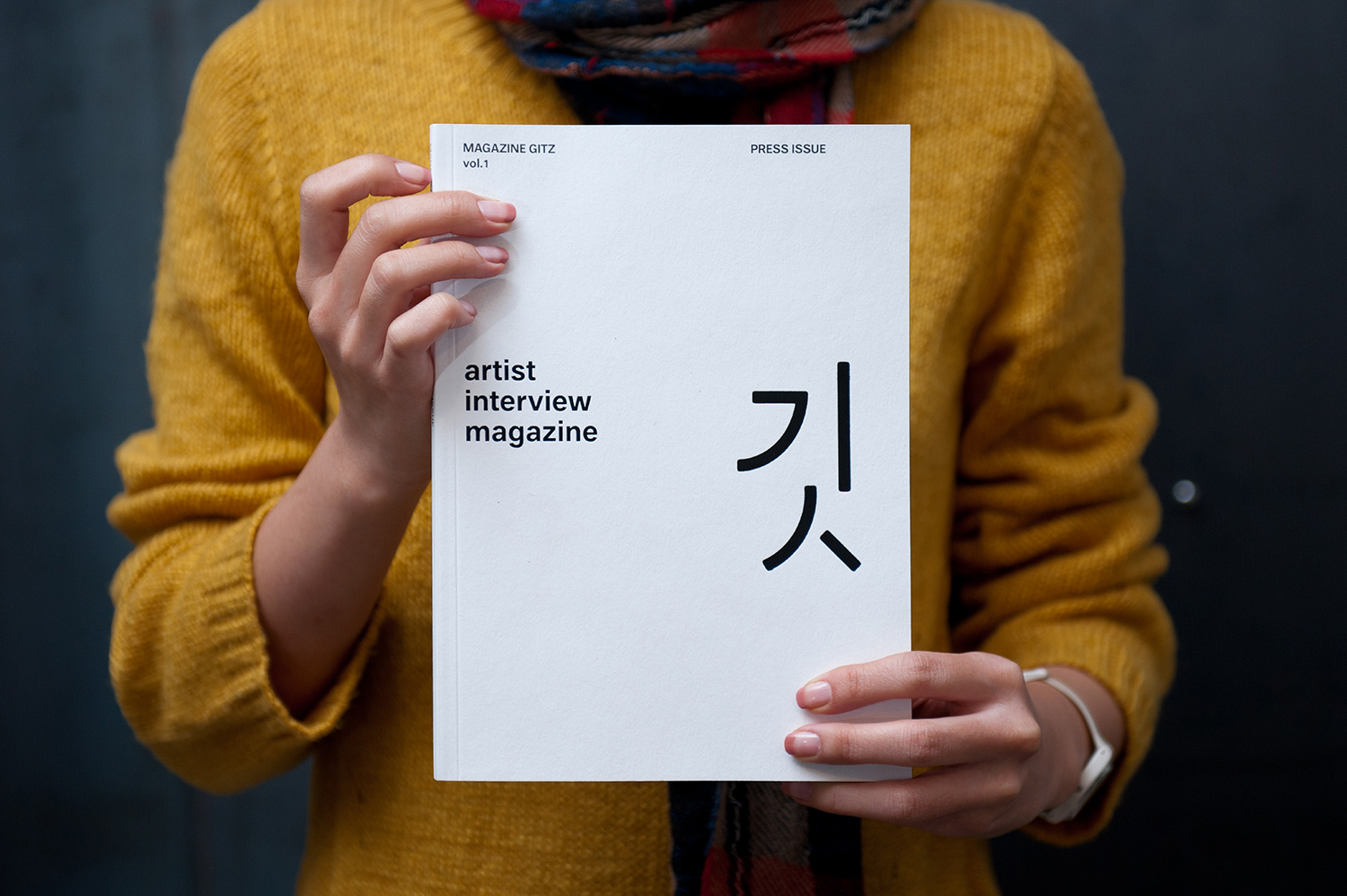
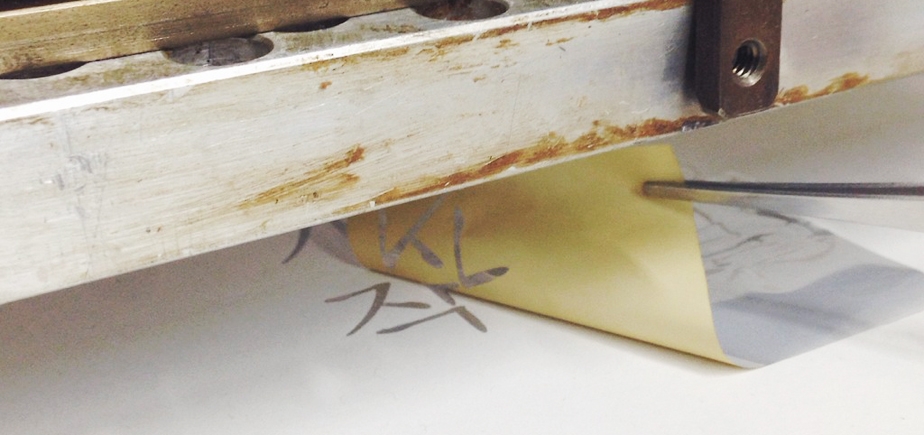
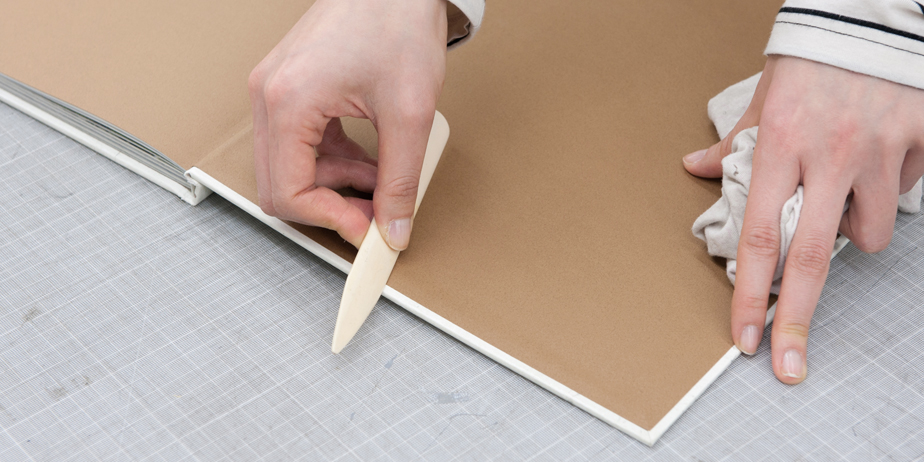
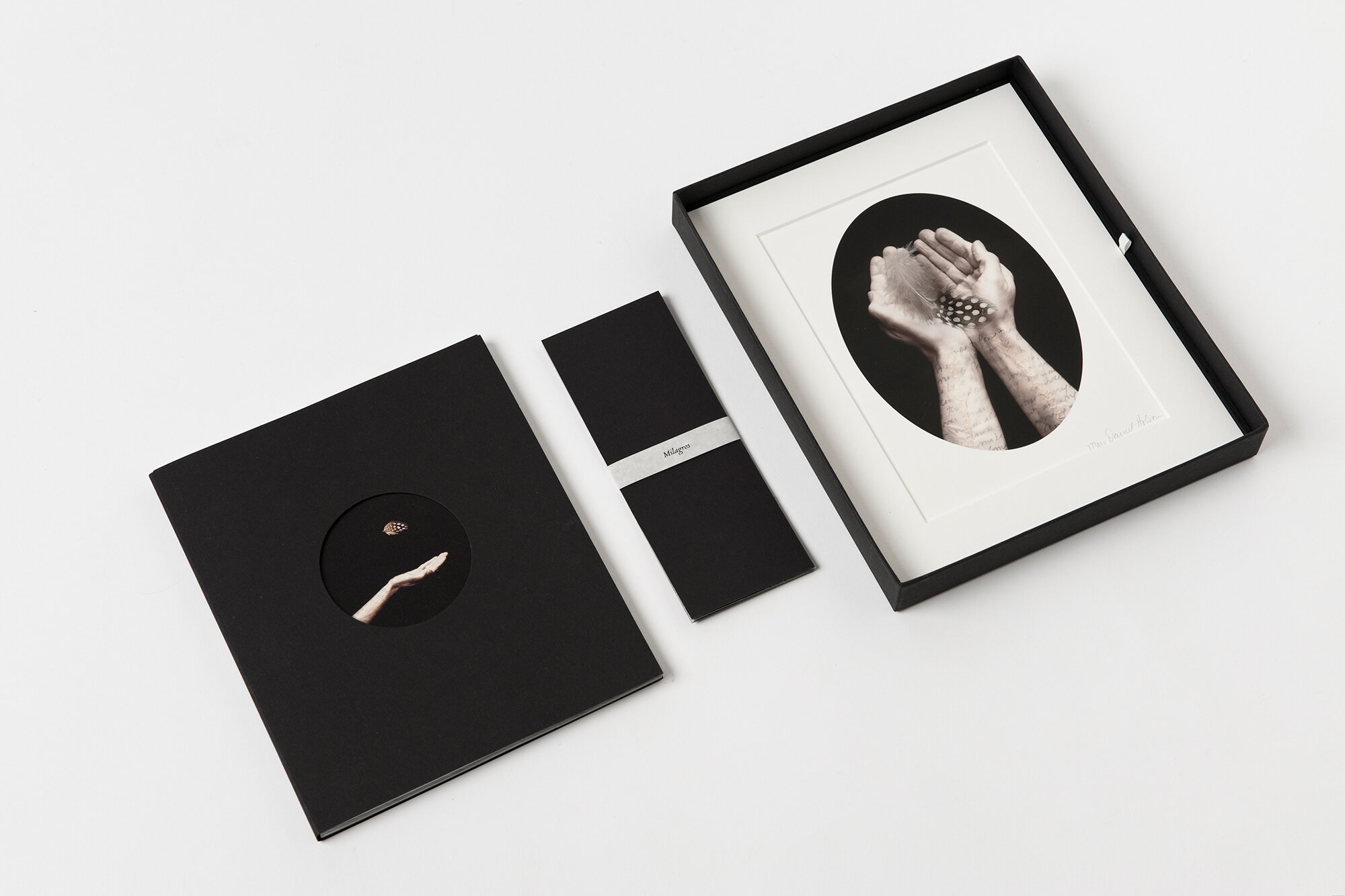
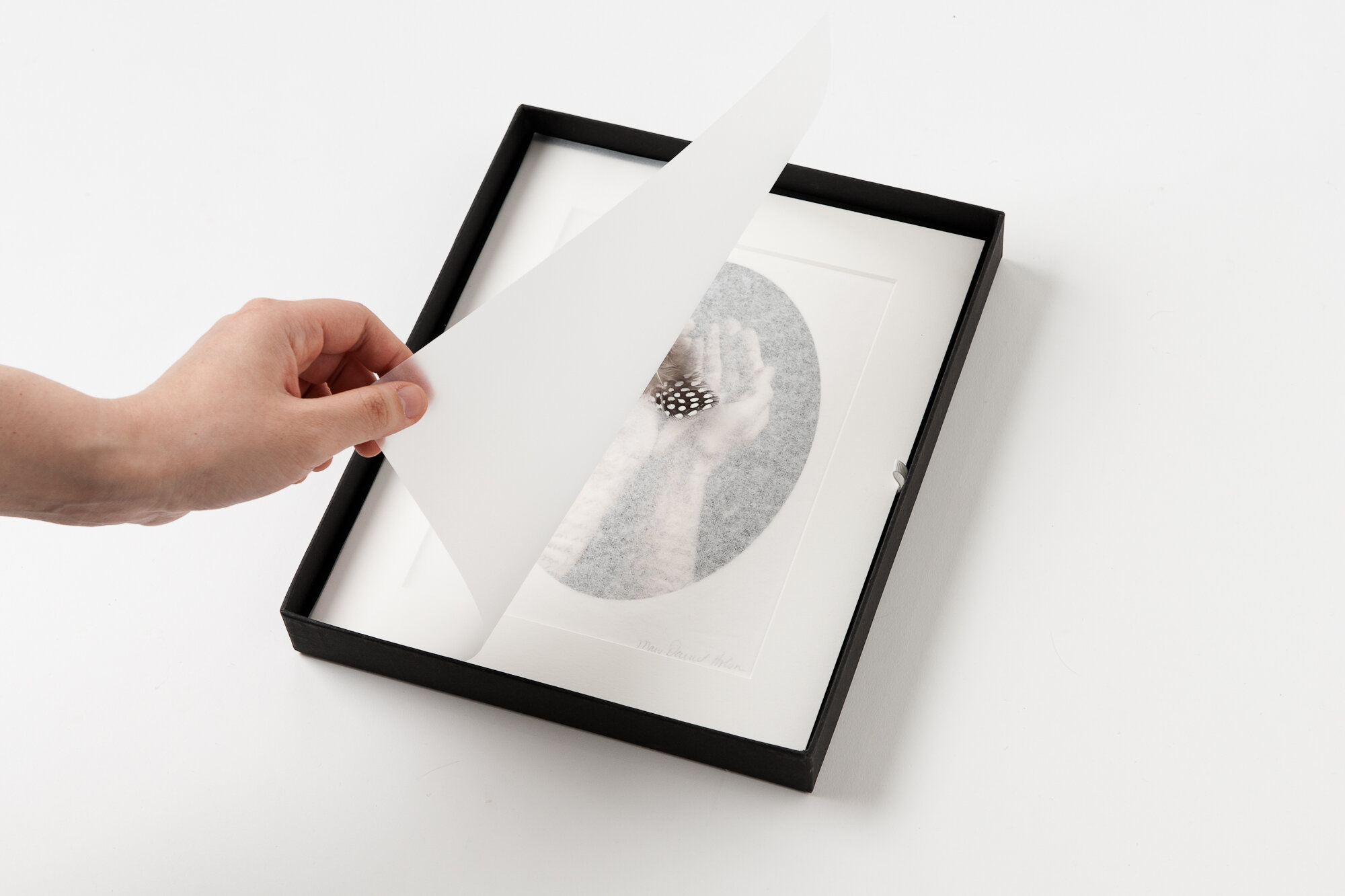
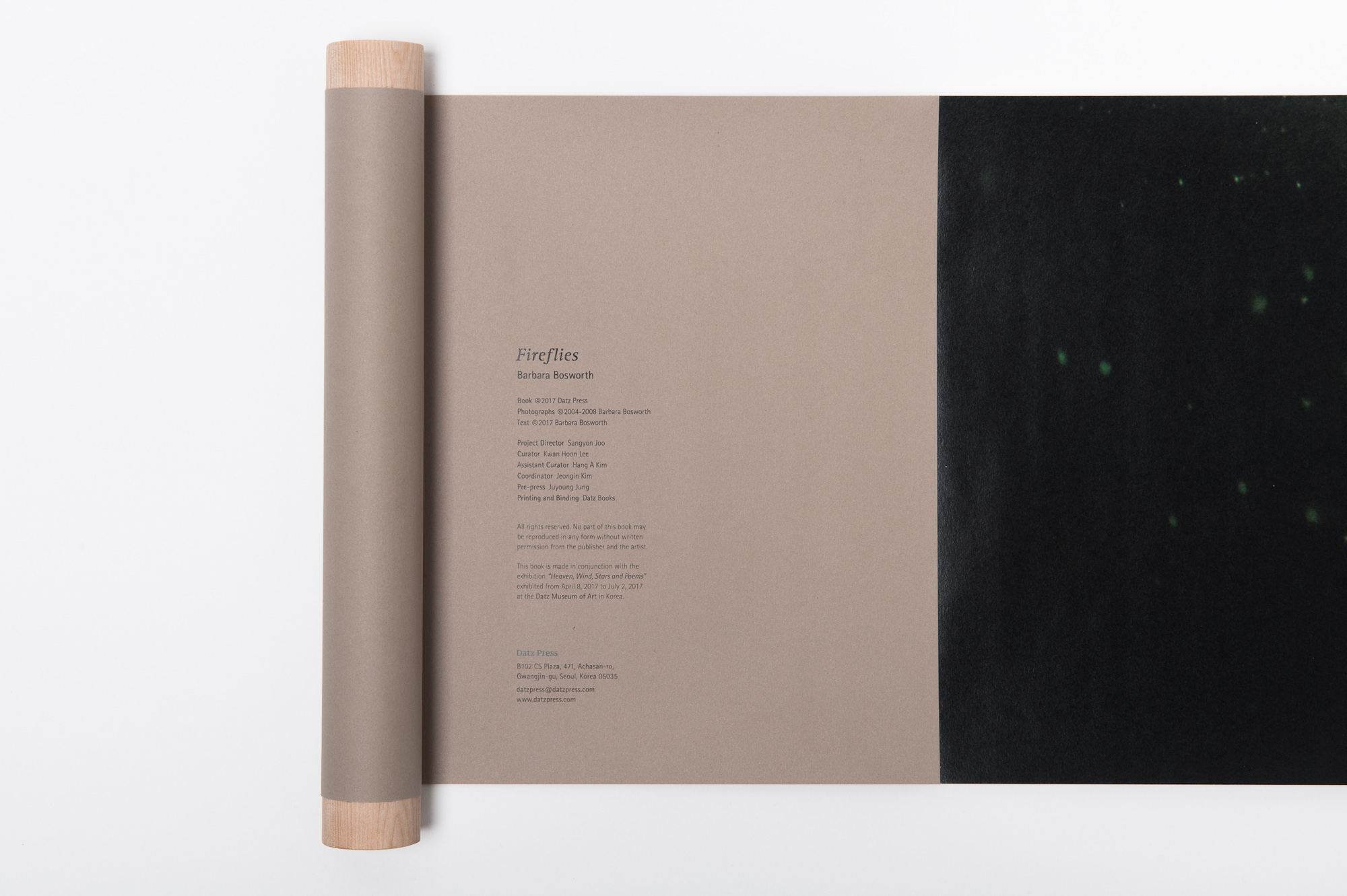
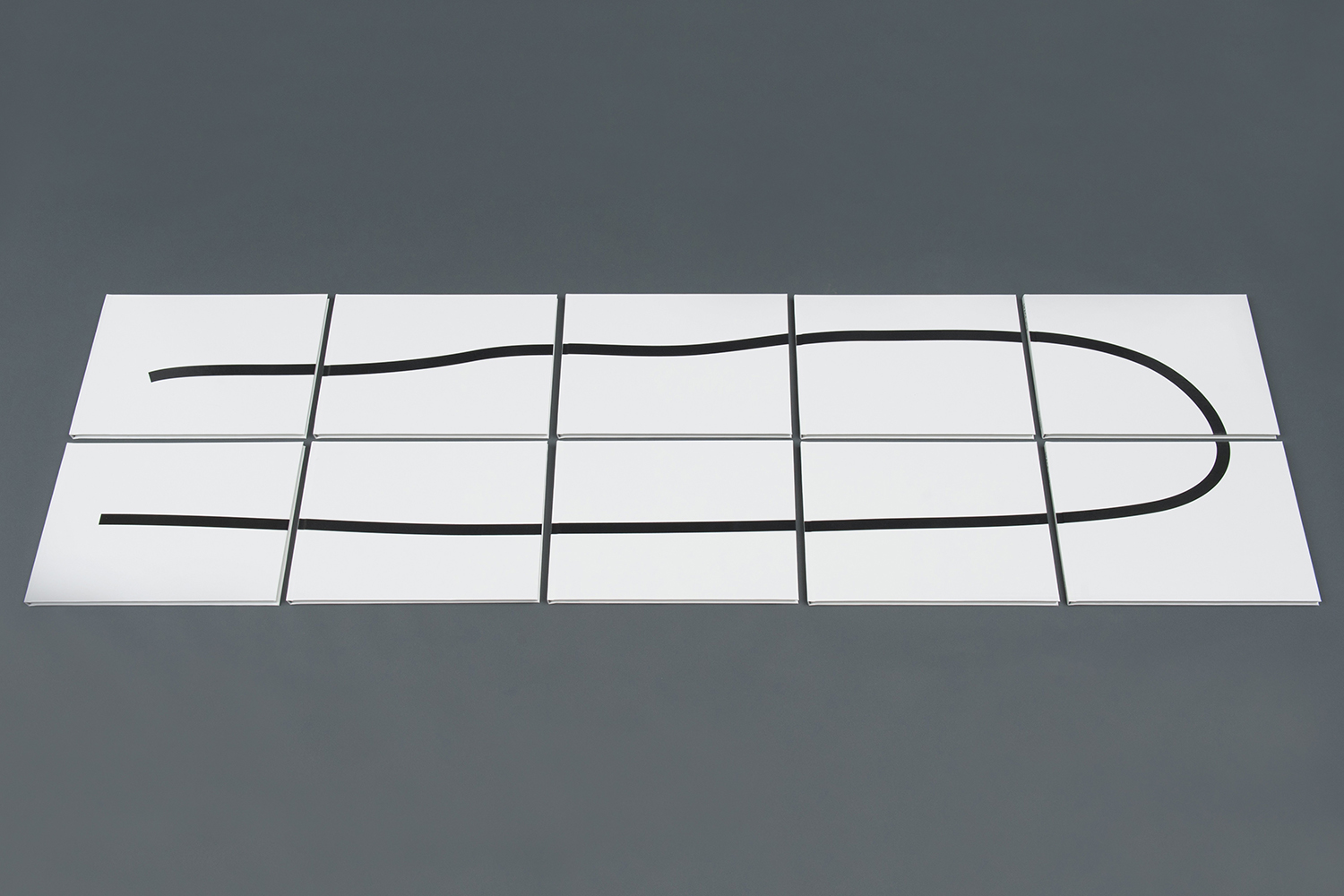
Travel to Seoul, South Korea with (Remote) Studio on July 15 for a studio tour with Datz Press. Artist and publisher Sangyon Joo, joined by CCAGD students Eunji Lee and Hyunsoo Kang, will introduce us to the press, their process, and the books they make.
Datz Press values the classic and traditional alongside the fresh and contemporary. They make more than beautiful images with photo books – they search for value and meaning, beauty and truth. Each person has a unique role in their book-making process, and the ability to listen and honor each creative voice makes for exceptionally one-of-a-kind creations.
-
07.08 Making Space with Shiraz and Juan Carlos
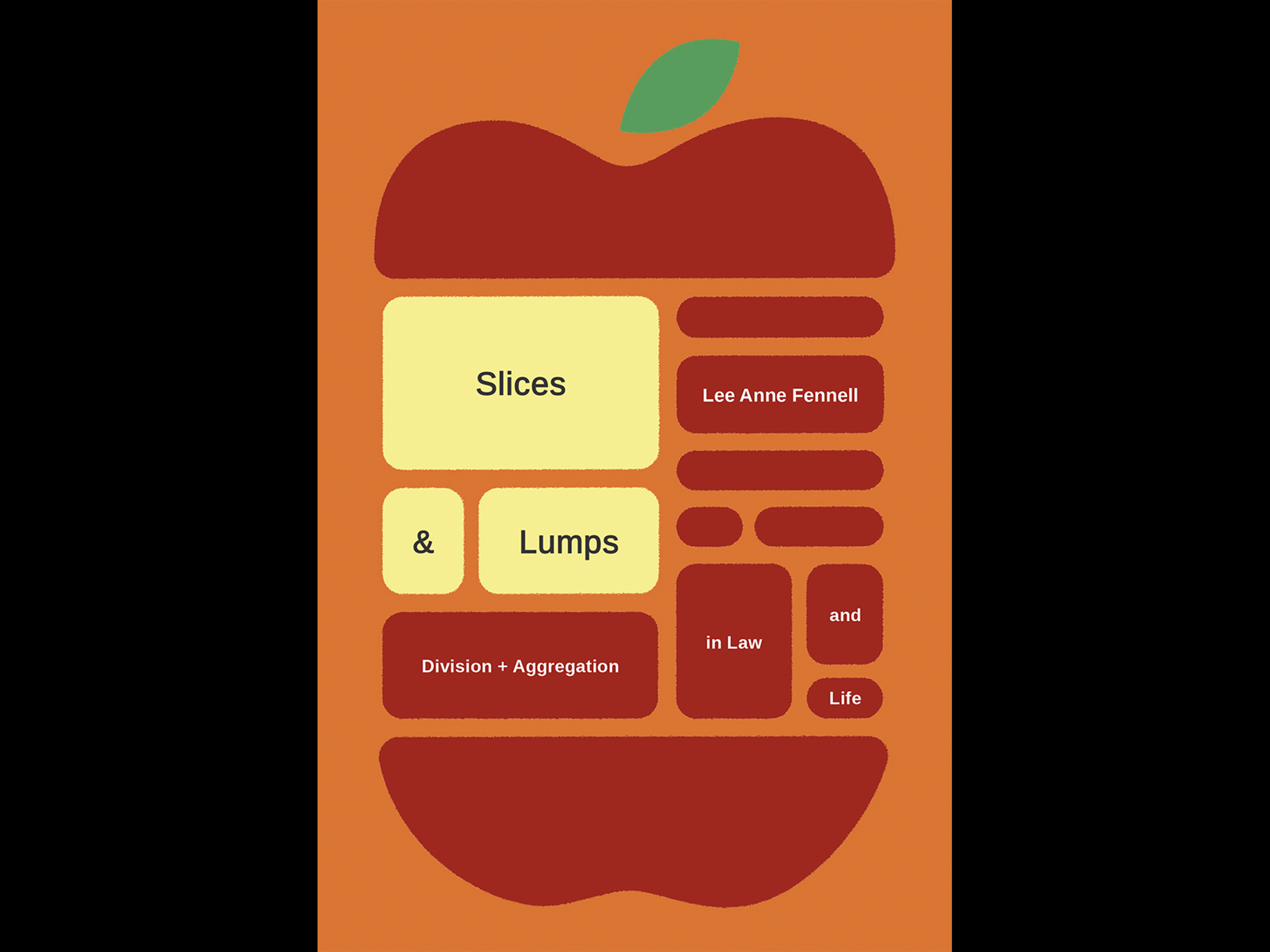
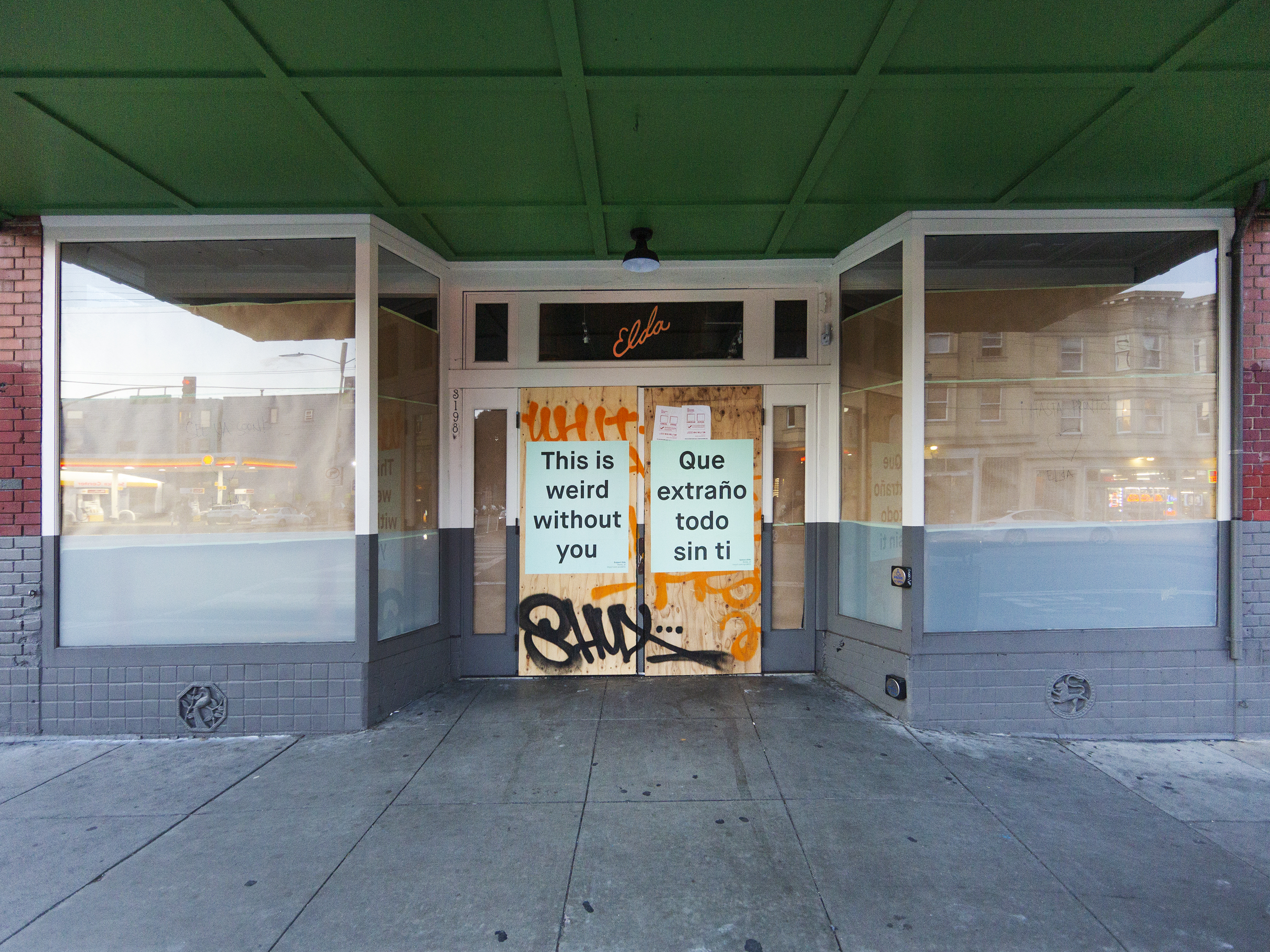
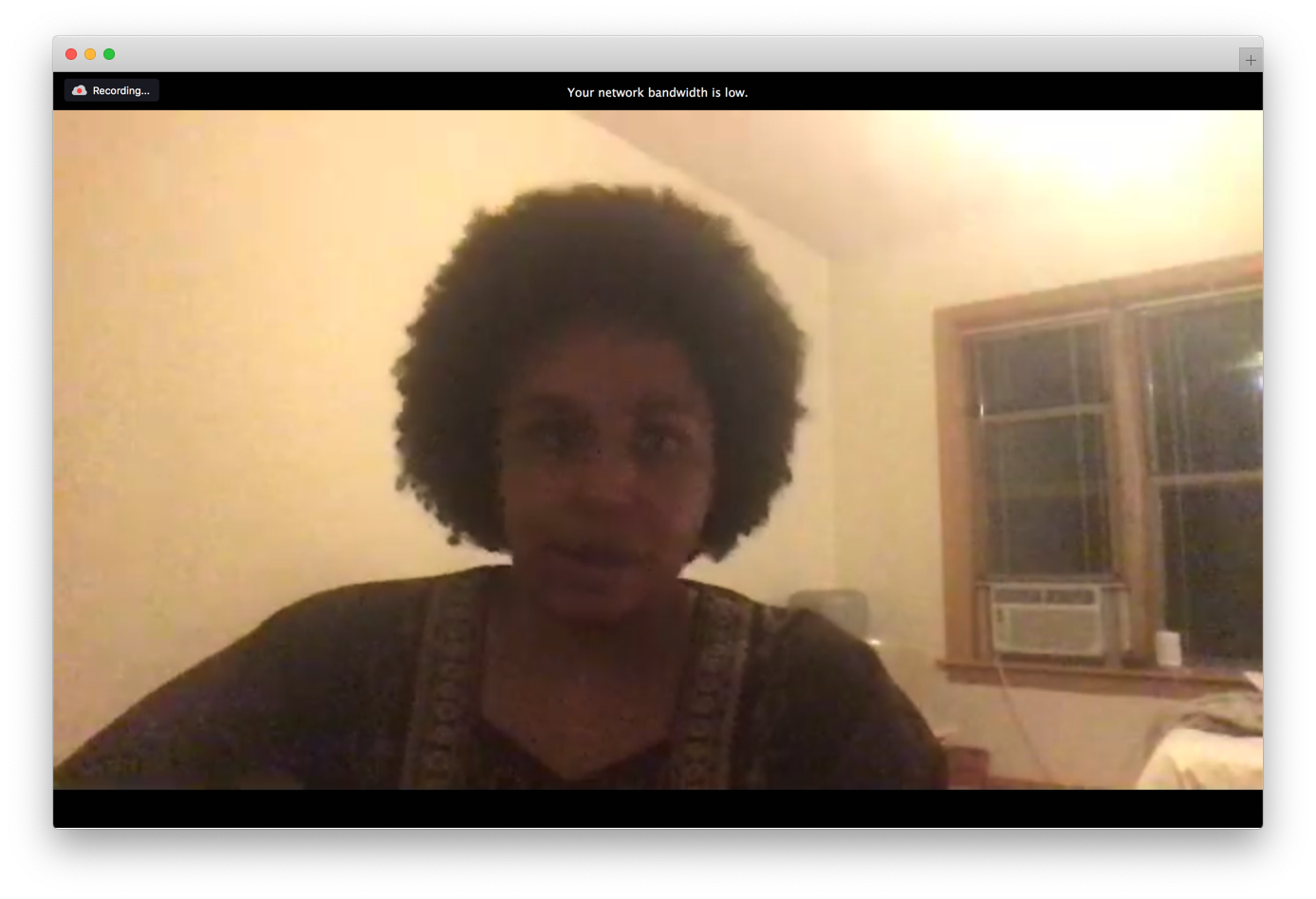
Who are we? Where are we? Why talk about it?
Join us as we engage in our specificity, describe the places that are dear to us, and make space for ourselves as designers, thinkers, and makers.
Juan Carlos Rodriguez RiveraShiraz Abdullahi Gallab
-
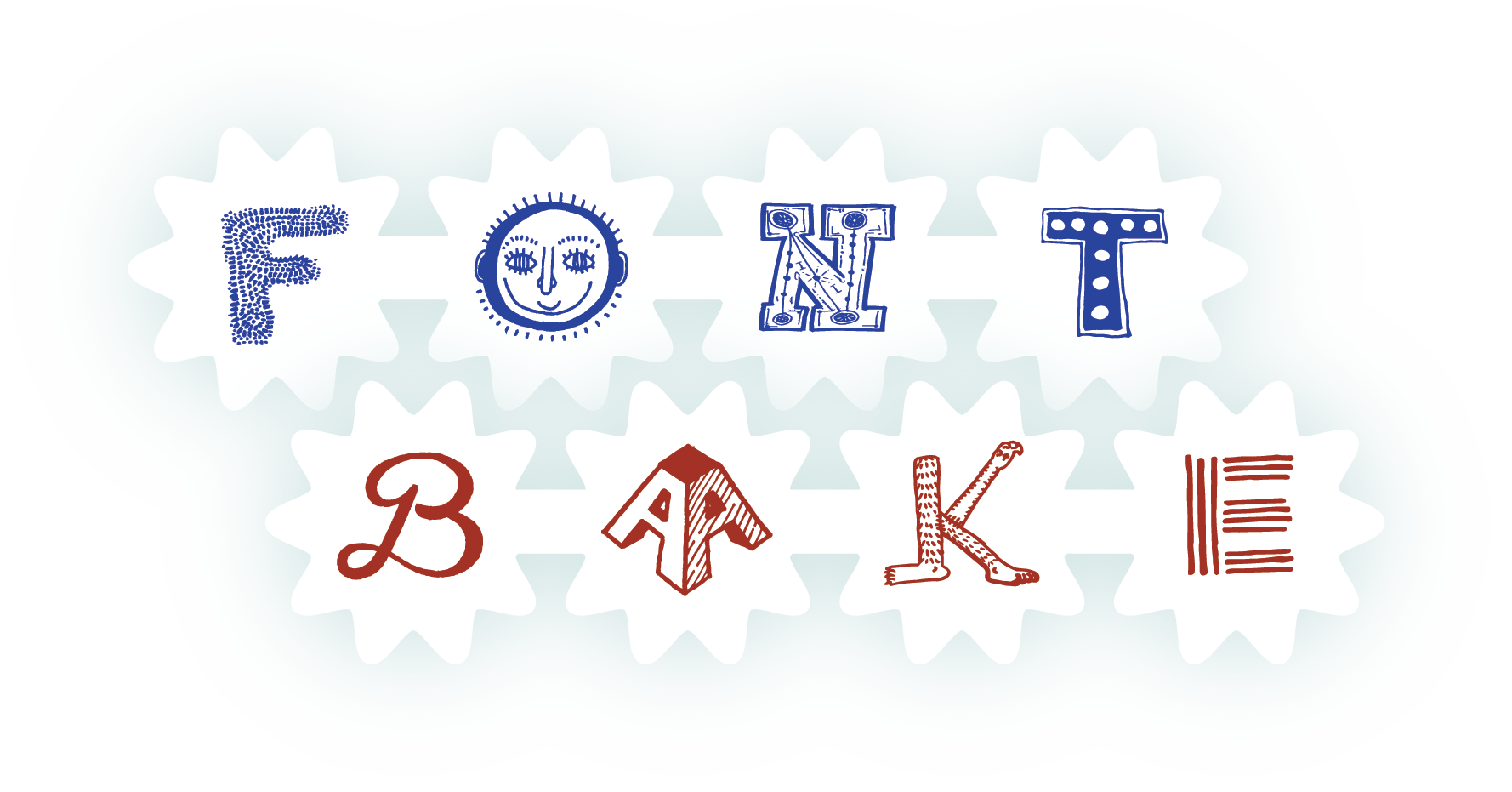
07.01 Fontbake! Hosted by Rod Cavazos
Attention, Designers!
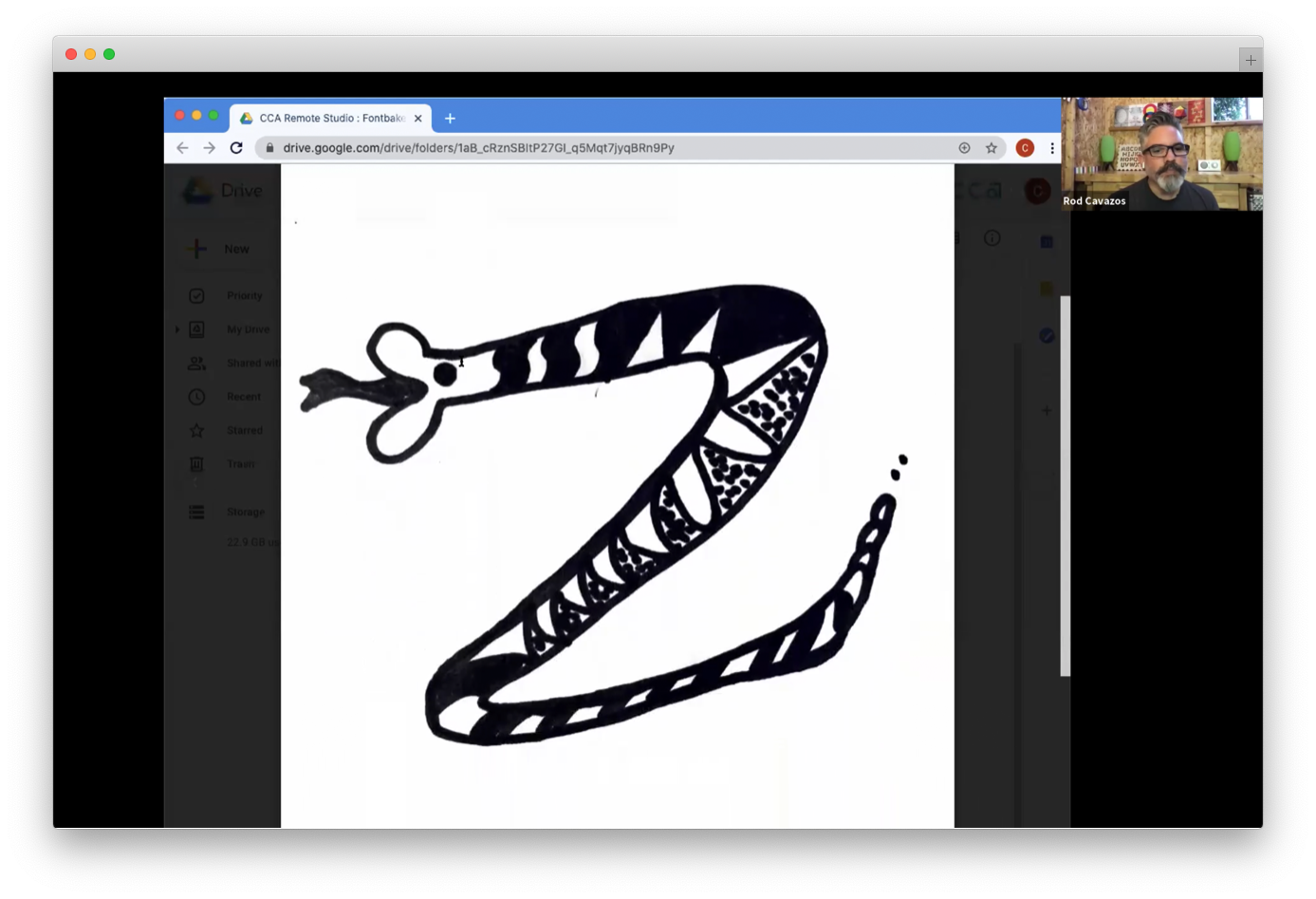
Jump in to the CCA (Remote) Studio on June 1 and contribute to a one-of-a-kind art font. You'll just need a marker, some paper, and your pathological love of letters. Participation is easy. Just doodle a few (assigned) letters in any style you'd like… though the more outlandish and quirky the better. We'll process your finished drawings as you upload them, in mostly-real time, then use FontSelf + Glyphs to finalize the group font. Everyone who participates will receive a copy. That's it!
Join us for this lighthearted reminder that typography and letters don't always have to be taken too seriously. That at their core they are an infinite source of free expression and creative play.
-
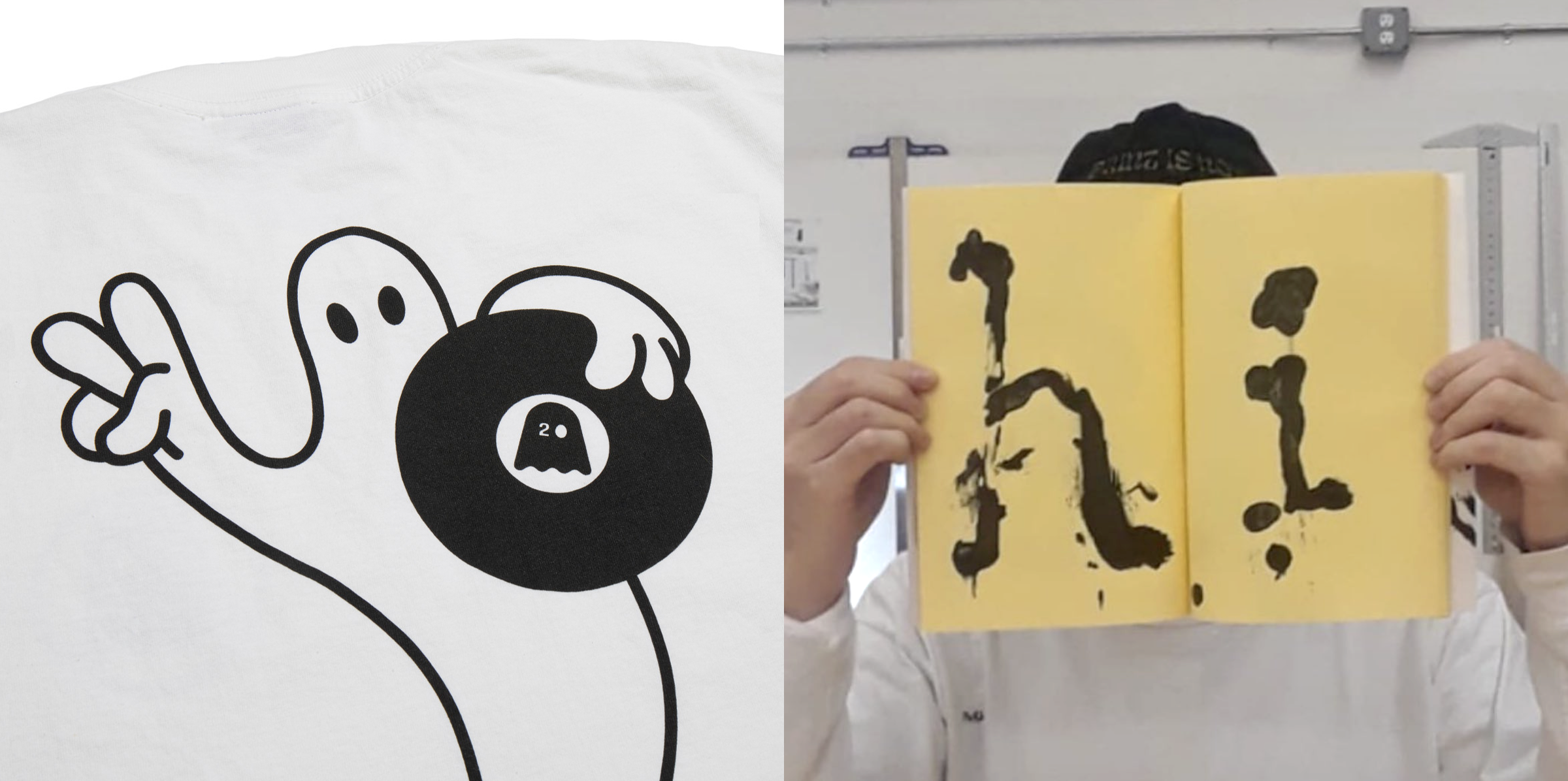
06.24 A Conversation with Erik Carter and Kaming Lee
CCAGD invites you to spend the evening with graphic designers Erik Carter and Kaming Lee as they lead you through a guided yoga exercise followed by a discussion on ethics in typography and dismantling the corporate design state.
- 06.17 A Visit with Collective Power
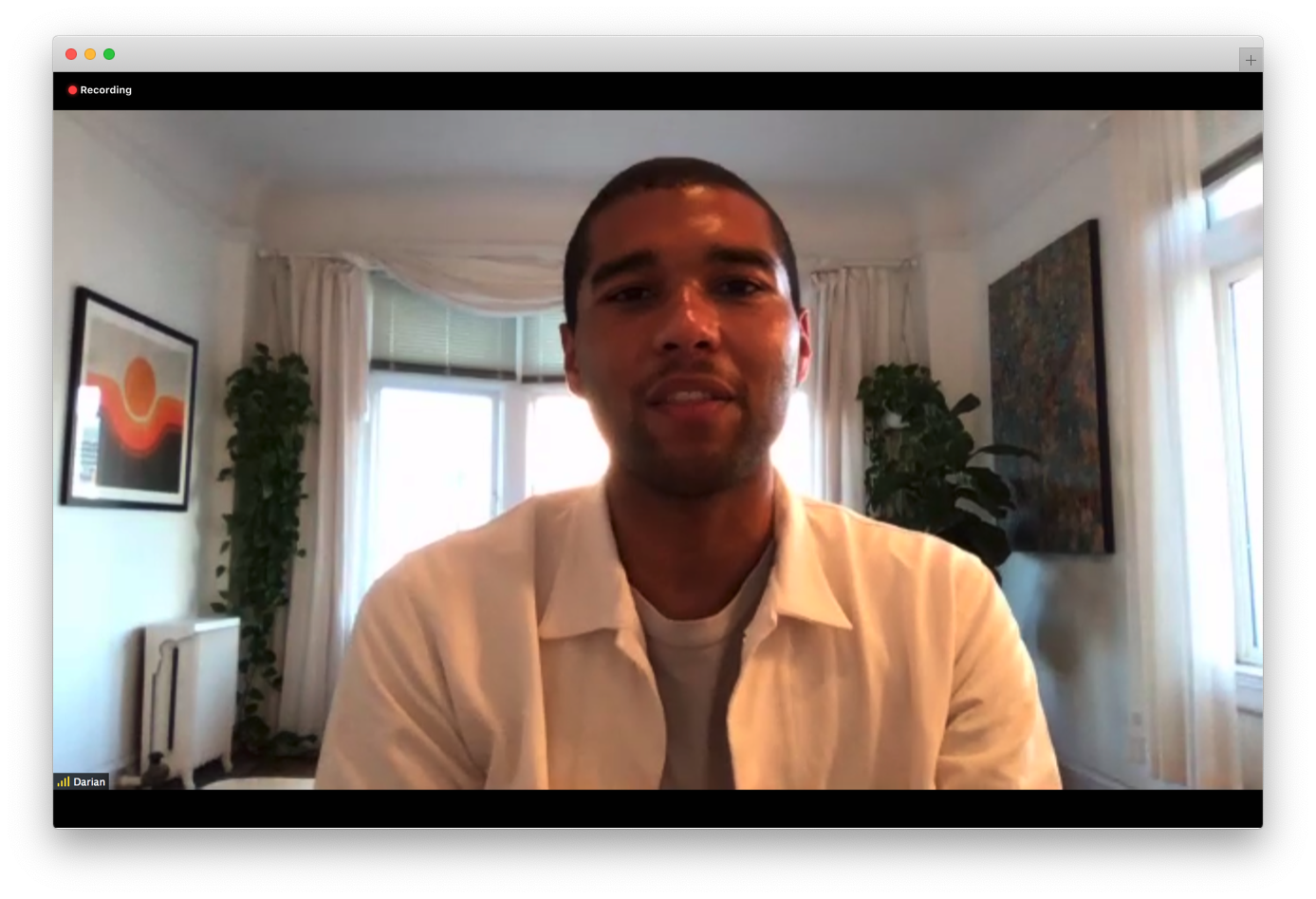
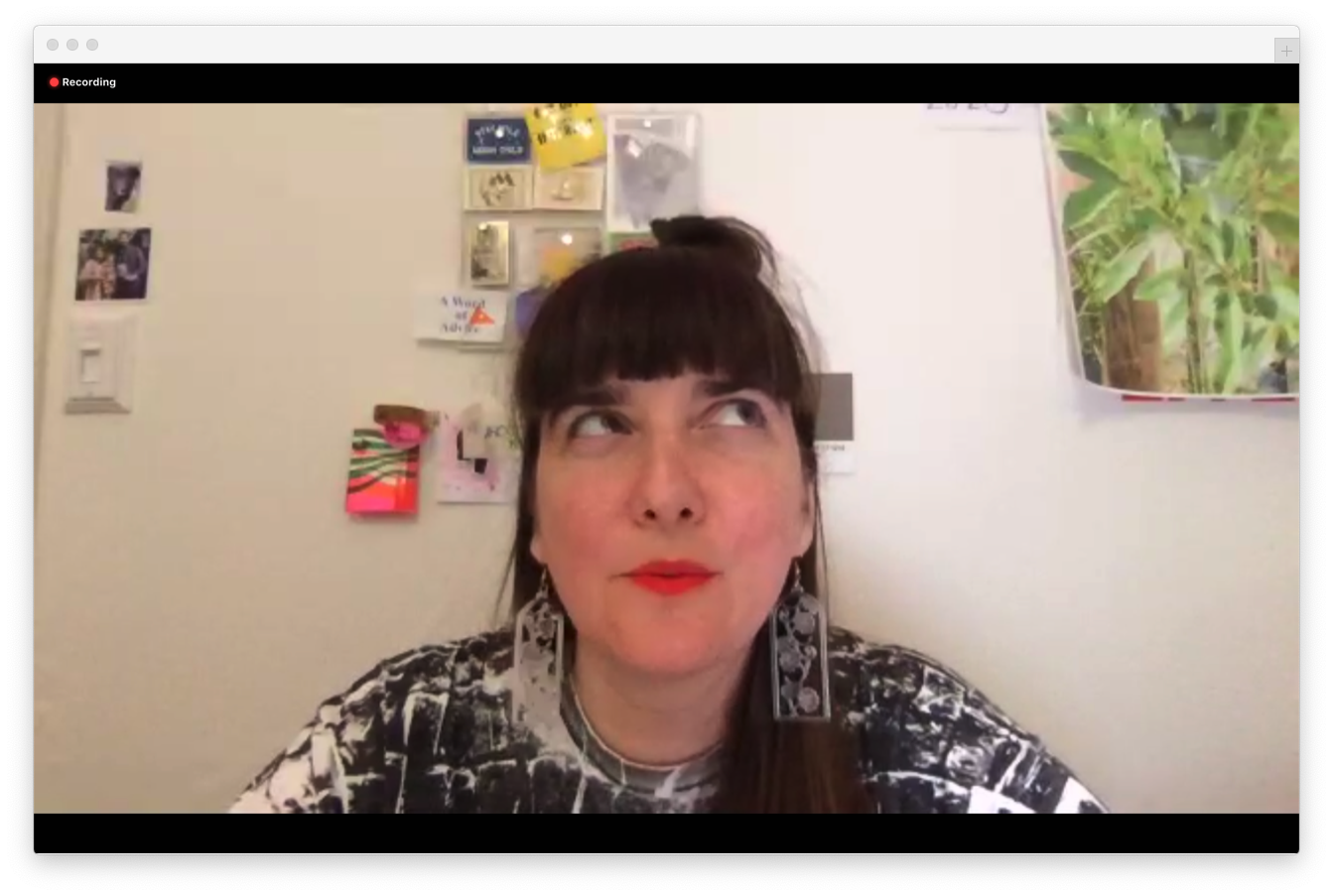
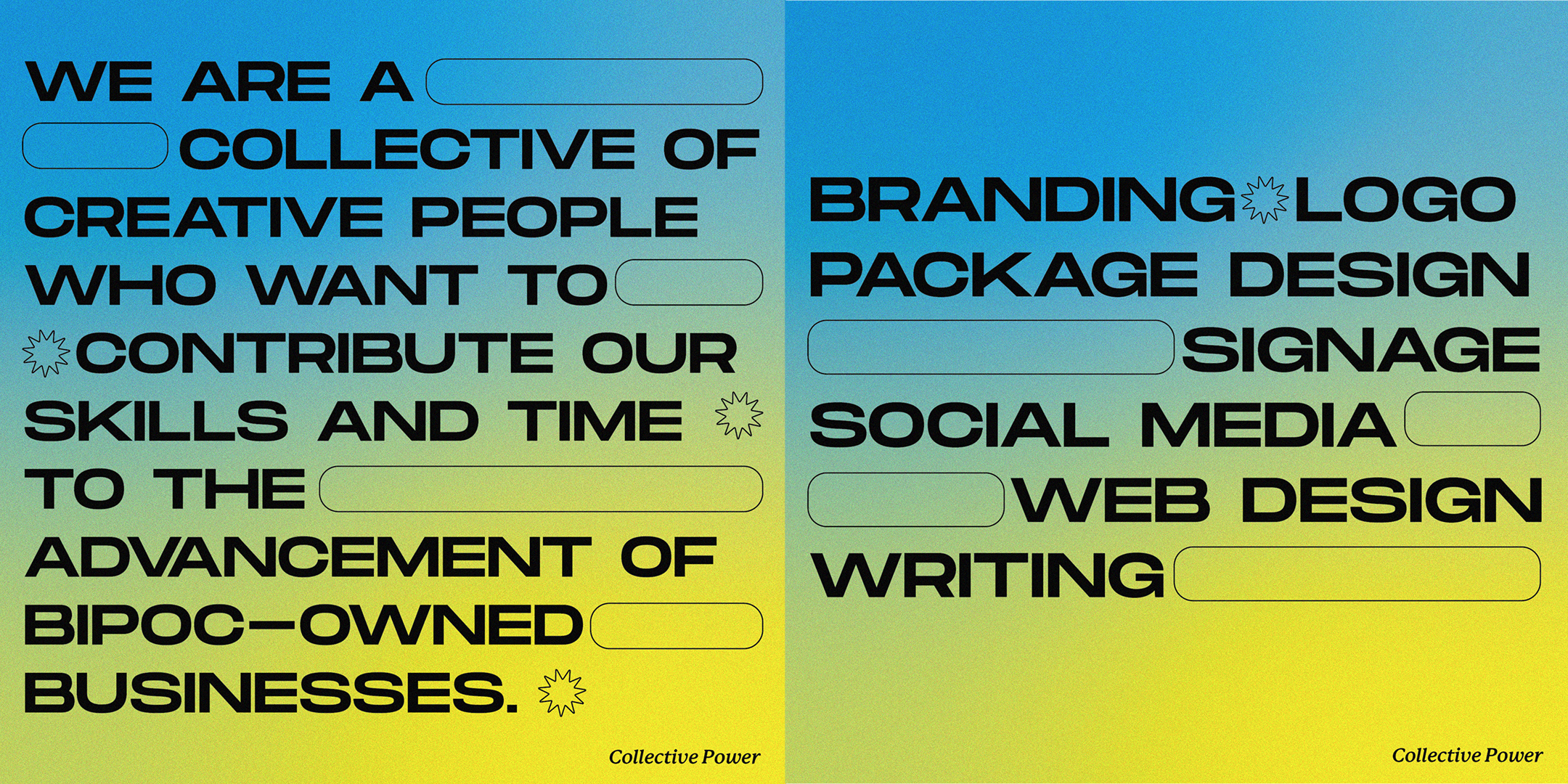
Join us in the first CCAGD (Remote) Studio for a Q+A with undergraduate graphic design student Darian Newman and teacher Mary Banas on their initiative Collective Power. We'll discuss how Collective Power began, ways designers can organize, and how graphic design supports and challenges systems of oppression.
- 06.17 A Visit with Collective Power